Lyrica (Pregabalin) Capsules for Neuropathic Pain
Lyrica is a prescription oral gabapentinoid containing pregabalin. It is used in adults for neuropathic pain, generalised anxiety disorder, fibromyalgia (in some markets) and as adjunctive therapy for partial-onset seizures, with linear pharmacokinetics.
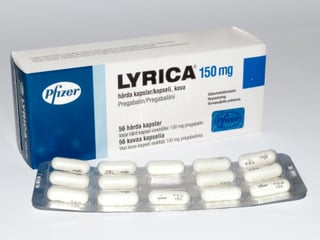
- Active ingredients
- Pregabalin
- Manufacturer
- Pfizer
- Dosage forms
- capsule , oral solution , extended-release tablet
- Category
- Pain Relief Medications
What is it?
Lyrica is the original brand of pregabalin, marketed by Pfizer since its approval in 2004. It is supplied as oral capsules, oral solution and extended-release tablets in a wide range of strengths. Lyrica is dispensed only on prescription and is classified as a controlled substance in some jurisdictions because of its abuse and dependence potential. Multiple authorised generics of pregabalin are now available worldwide.
Active ingredients
Each capsule contains pregabalin as the sole active ingredient at strengths ranging from 25mg to 300mg. Pregabalin is a structural analogue of gamma-aminobutyric acid (GABA) but does not bind GABA receptors. It binds the alpha-2-delta auxiliary subunit of voltage-gated calcium channels.
Forms and dosages
Lyrica is administered orally two or three times daily, with or without food. According to the prescribing information, the usual adult starting dose is 75mg twice daily, titrated based on response and tolerability up to a maximum of 600mg per day in divided doses. Substantial dose reduction is required in renal impairment based on creatinine clearance. Treatment should be tapered gradually before discontinuation.
Indications
Lyrica is approved in adults for neuropathic pain associated with diabetic peripheral neuropathy, post-herpetic neuralgia, spinal cord injury and other forms of central neuropathic pain (some markets), for generalised anxiety disorder, for fibromyalgia (in the United States and some other markets) and as adjunctive therapy for partial-onset seizures. According to international guidelines, pregabalin is one of the recommended first-line agents in neuropathic pain.
How it works
Pregabalin binds the alpha-2-delta auxiliary subunit of voltage-gated calcium channels in the central nervous system, reducing presynaptic calcium influx and the release of excitatory neurotransmitters such as glutamate, noradrenaline and substance P. The result is anticonvulsant, anxiolytic and analgesic effects, particularly in neuropathic pain pathways.
Frequently asked questions
How is Lyrica different from gabapentin? ▾
Both bind the alpha-2-delta calcium channel subunit and are used in similar indications, but pregabalin has linear pharmacokinetics and higher bioavailability than gabapentin, which has saturable absorption at higher doses. As a result, Lyrica reaches effective plasma levels more reliably and at lower doses, although clinical efficacy in neuropathic pain at adequate doses is broadly comparable. According to international guidelines, the choice is made by the prescriber.
Is Lyrica addictive? ▾
Pregabalin has been associated with tolerance, physical dependence and abuse, especially in patients with previous substance use disorders. It is a controlled substance in some jurisdictions. Withdrawal symptoms can include anxiety, insomnia, sweating and gastrointestinal symptoms after abrupt discontinuation. According to the prescribing information, Lyrica should be tapered gradually, particularly after long-term use, and the medical history must be reviewed before any prescription.
Why must the dose be reduced in kidney disease? ▾
Pregabalin is excreted predominantly unchanged in urine, so renal impairment substantially increases plasma concentrations and the risk of adverse effects, including sedation, ataxia and cognitive impairment. According to the prescribing information, the dose is reduced based on creatinine clearance, including in patients on dialysis where supplemental doses are given after sessions. Renal function should be assessed before treatment and periodically thereafter.
Does Lyrica cause weight gain? ▾
Weight gain is a common adverse effect of pregabalin, more pronounced at higher doses and with longer treatment. The mechanism is not fully understood and may relate to fluid retention and increased appetite. According to the prescribing information, weight should be monitored during treatment, and dose adjustment or alternative agents should be considered if weight gain becomes problematic, with the regimen tailored by the prescriber.
What are the main contraindications for Lyrica? ▾
Lyrica is contraindicated in known hypersensitivity to pregabalin or its excipients. Caution is required in renal impairment (with mandatory dose adjustment), in concurrent CNS depressants including opioids and alcohol, in patients with previous substance use disorders, in suicidal ideation and during pregnancy and breastfeeding. According to the prescribing information, the medical history must be reviewed by a clinician before any prescription.
Related medications


Sources
This page is compiled from the official prescribing information for Pregabalin. The links below open a search for that active ingredient in each register, so you always reach the current version of the label rather than a cached copy.
The information on this website is provided for reference and educational purposes only. It does not replace consultation with a qualified healthcare professional.