Voltaren (Diclofenac) Anti-inflammatory Tablets and Gel
Voltaren is an NSAID brand containing diclofenac. It is used in adults for inflammatory and musculoskeletal pain conditions, with oral, topical, parenteral and rectal formulations and a strong analgesic and anti-inflammatory profile.
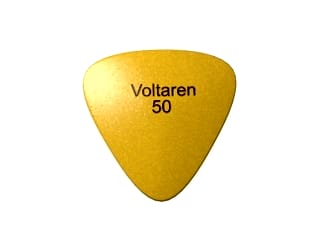
- Active ingredients
- Diclofenac
- Manufacturer
- Novartis
- Dosage forms
- tablet , delayed-release tablet , topical gel , suppository
- Category
- Pain Relief Medications
What is it?
Voltaren is one of the original brands of diclofenac, marketed by Novartis since the 1970s. It is supplied as immediate-release and delayed-release tablets, capsules, oral solution, topical gel and patches, suppositories and parenteral solution. Topical Voltaren formulations are sold over the counter in many countries, while oral formulations require a prescription in most jurisdictions.
Active ingredients
Each tablet contains diclofenac (as the sodium or potassium salt) as the sole active ingredient at 25mg, 50mg, 75mg or 100mg. Topical gel formulations contain 1% to 2.32% diclofenac diethylamine. Diclofenac is a phenylacetic acid derivative NSAID with somewhat greater COX-2 selectivity than ibuprofen and naproxen.
Forms and dosages
Voltaren is administered orally with food, topically over affected areas or rectally. According to the prescribing information, the usual adult oral dose is 50mg two or three times daily or 75mg twice daily, depending on indication and formulation. Topical gel is applied 2-4 times daily to the affected area. The lowest effective dose for the shortest necessary duration should be used.
Indications
Voltaren is approved in adults for the treatment of osteoarthritis, rheumatoid arthritis, ankylosing spondylitis, acute musculoskeletal pain, post-surgical pain, primary dysmenorrhoea, acute migraine and ureteric colic. Topical Voltaren is approved for localised painful conditions such as actinic keratosis (in some markets) and musculoskeletal pain. According to clinical guidelines, topical NSAIDs are recommended as first-line for many localised musculoskeletal pain conditions, particularly in older adults.
How it works
Diclofenac reversibly inhibits cyclooxygenase enzymes COX-1 and COX-2, with somewhat greater selectivity for COX-2 than ibuprofen and naproxen. By reducing prostaglandin synthesis, it produces analgesic, anti-inflammatory and antipyretic effects. The COX-2 preference at therapeutic doses partially explains its cardiovascular risk profile compared with naproxen.
Frequently asked questions
Is topical Voltaren safer than oral? ▾
Topical diclofenac achieves high concentrations in superficial tissues with very low systemic exposure (approximately 5% to 10% of an equivalent oral dose). This usually translates into a lower risk of gastrointestinal, cardiovascular and renal adverse events. According to clinical guidelines, topical NSAIDs are recommended as first-line for many localised musculoskeletal pain conditions, particularly in older adults.
Why is Voltaren considered higher cardiovascular risk than naproxen? ▾
Pooled analyses of large randomised trials suggest that diclofenac at high doses is associated with a higher rate of cardiovascular thrombotic events than naproxen at standard doses. Several regulatory agencies have therefore added warnings or restrictions for diclofenac, particularly in patients with established cardiovascular disease. According to the prescribing information, the lowest effective dose for the shortest period should be used and risk reviewed by the prescriber.
Can Voltaren be taken long-term? ▾
Voltaren can be used for chronic inflammatory conditions when needed, but according to clinical guidelines and the prescribing information, the lowest effective dose for the shortest necessary duration should be used. Long-term use should be supervised by the prescriber, with periodic reassessment of cardiovascular, gastrointestinal, renal and hepatic risk factors. Gastric protection is often added in patients with risk factors.
How quickly does Voltaren work? ▾
Oral immediate-release Voltaren typically begins to work within 20 to 30 minutes for acute pain, with peak analgesic effect by 1-2 hours. Delayed-release formulations and suppositories have slower onset. Topical gels typically reduce pain within hours of application, with maximal effect after several days of regular use. According to the prescribing information, the formulation should be selected based on the indication and onset required.
What are the main contraindications for Voltaren? ▾
Voltaren is contraindicated in known hypersensitivity to diclofenac or other NSAIDs, in active peptic ulcer or gastrointestinal bleeding, in severe heart failure, in established ischaemic heart disease, peripheral arterial disease or cerebrovascular disease, in the perioperative period of coronary artery bypass graft surgery, in severe hepatic impairment and during the third trimester of pregnancy. According to the prescribing information, the medical history must be reviewed by a clinician before any prescription.
Related medications


Sources
This page is compiled from the official prescribing information for Diclofenac. The links below open a search for that active ingredient in each register, so you always reach the current version of the label rather than a cached copy.
The information on this website is provided for reference and educational purposes only. It does not replace consultation with a qualified healthcare professional.