Mobic (Meloxicam) Anti-inflammatory Tablets
Mobic is a prescription oral preferential COX-2 NSAID containing meloxicam. It is used in adults for osteoarthritis, rheumatoid arthritis and ankylosing spondylitis, with once-daily dosing and an intermediate gastrointestinal safety profile.
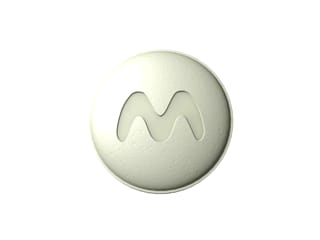
- Active ingredients
- Meloxicam
- Manufacturer
- Boehringer Ingelheim
- Dosage forms
- tablet , capsule , oral suspension , orodispersible tablet
- Category
- Pain Relief Medications
What is it?
Mobic is the original brand of meloxicam, marketed by Boehringer Ingelheim since the late 1990s. It is supplied as oral tablets, capsules, oral suspension, orodispersible tablets and parenteral solution. Multiple authorised generics are widely available. The convenient once-daily dosing and intermediate COX-2 selectivity have made meloxicam a popular NSAID worldwide.
Active ingredients
Each tablet contains meloxicam as the sole active ingredient at 7.5mg or 15mg. Meloxicam is an enolic acid derivative NSAID with preferential COX-2 inhibition compared with traditional non-selective NSAIDs but less selectivity than celecoxib.
Forms and dosages
Mobic is administered orally once daily with food and water. According to the prescribing information, the usual adult dose is 7.5mg once daily for osteoarthritis, increased to 15mg once daily if needed, and 15mg once daily for rheumatoid arthritis and ankylosing spondylitis. Doses should be reduced in significant renal impairment, and the lowest effective dose should be used in elderly patients.
Indications
Mobic is approved in adults for the treatment of osteoarthritis, rheumatoid arthritis and ankylosing spondylitis. According to clinical guidelines, meloxicam offers convenient once-daily dosing with an intermediate gastrointestinal safety profile between non-selective NSAIDs and selective COX-2 inhibitors. The cardiovascular and gastrointestinal risk profile should be considered when selecting NSAID therapy.
How it works
Meloxicam reversibly inhibits cyclooxygenase enzymes with preferential activity against COX-2 at therapeutic doses, reducing prostaglandin synthesis at sites of inflammation while sparing some COX-1-mediated gastric protection. The result is anti-inflammatory and analgesic effects. The COX-2 preference is dose-dependent and may be partially lost at higher doses, where COX-1 inhibition becomes more relevant.
Frequently asked questions
Is Mobic safer than ibuprofen for the stomach? ▾
Mobic has preferential COX-2 inhibition at therapeutic doses, which translates into a somewhat lower incidence of gastrointestinal ulcers than non-selective NSAIDs in some studies, although the advantage is less pronounced than with selective COX-2 inhibitors such as celecoxib. According to clinical guidelines, gastric protection with a proton pump inhibitor should still be considered in patients at high gastrointestinal risk.
Why is Mobic taken once daily? ▾
Meloxicam has a long terminal half-life of approximately 20 hours, which supports once-daily dosing for sustained analgesic and anti-inflammatory effect. According to the prescribing information, this differs from short-acting NSAIDs such as ibuprofen, which require multiple daily doses. Once-daily dosing improves adherence in chronic conditions such as osteoarthritis and rheumatoid arthritis.
Does Mobic carry the same cardiovascular risk as other NSAIDs? ▾
Yes. All NSAIDs, including meloxicam, carry warnings on cardiovascular thrombotic events such as myocardial infarction and stroke. The risk varies between agents and doses. According to clinical guidelines, the cardiovascular risk profile should be assessed before initiation, and the lowest effective dose for the shortest necessary duration should be used. Naproxen at standard doses may be preferred when cardiovascular risk dominates.
Can Mobic be taken long-term? ▾
Mobic can be used for chronic inflammatory conditions when needed, but according to clinical guidelines and the prescribing information, the lowest effective dose for the shortest necessary duration should be used. Long-term use should be supervised by the prescriber, with periodic reassessment of cardiovascular, gastrointestinal, renal and hepatic risk factors. Blood pressure and renal function should be monitored periodically.
What are the main contraindications for Mobic? ▾
Mobic is contraindicated in known hypersensitivity to meloxicam or other NSAIDs, in active peptic ulcer or gastrointestinal bleeding, in severe heart failure, in established ischaemic heart disease, peripheral arterial disease or cerebrovascular disease, in the perioperative period of coronary artery bypass graft surgery, in severe hepatic impairment and during the third trimester of pregnancy. According to the prescribing information, the medical history must be reviewed by a clinician before any prescription.
Related medications


Sources
This page is compiled from the official prescribing information for Meloxicam. The links below open a search for that active ingredient in each register, so you always reach the current version of the label rather than a cached copy.
The information on this website is provided for reference and educational purposes only. It does not replace consultation with a qualified healthcare professional.