AndroGel (Testosterone Gel)
AndroGel is the most prescribed topical testosterone replacement gel for men with confirmed hypogonadism, marketed by AbbVie at 1% and 1.62% strengths. Authorised generic testosterone gel is available at lower cost and is clinically equivalent at the same strength.
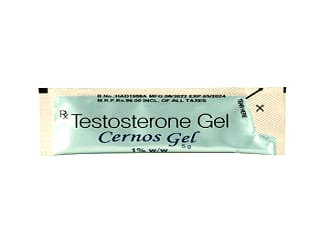
- Active ingredients
- Testosterone
- Manufacturer
- AbbVie
- Dosage forms
- gel
- Category
- Hormones and Birth Control
What is it?
AndroGel is the brand name under which AbbVie (formerly Solvay/Unimed) markets topical testosterone gel for male hypogonadism. FDA-approved in 2000 (1% formulation) and in 2011 (1.62% concentrated formulation), it became the most prescribed testosterone replacement in the United States within a few years of launch and remains a market leader. Authorised generic testosterone gel is widely available at lower cost; AndroGel-branded gel survives mainly in the US market and through prescriber preference.
Active ingredients
Each gram of AndroGel 1% delivers 10mg of testosterone; AndroGel 1.62% delivers 20.25mg per 1.25g actuation (16.2mg/g). The active substance is bioidentical testosterone in an alcohol-based gel that absorbs through skin into systemic circulation. Authorised generic testosterone gel contains the same active ingredient at the same strength and is bioequivalent to AndroGel.
Forms and dosages
AndroGel 1% is supplied in metered-dose pumps and unit-dose packets; the typical starting dose is 50mg (5g of gel) once daily, applied to clean, dry skin of the shoulders, upper arms or abdomen. AndroGel 1.62% delivers higher concentration in less gel volume; typical starting dose is 40.5mg (2.5g) daily, titrated to 20.25–81mg based on serum levels. Application sites must be allowed to dry, then covered with clothing to limit transfer.
Indications
AndroGel is approved for primary or secondary hypogonadism in men confirmed by morning total testosterone levels and clinical symptoms. According to current endocrine guidelines, testosterone replacement should not be initiated for non-specific symptoms or borderline laboratory values, and is not approved for age-related testosterone decline alone, female sexual dysfunction in most jurisdictions, or athletic performance enhancement.
How it works
Testosterone in AndroGel is absorbed through skin, with about 10% of the applied dose entering systemic circulation. Once absorbed, testosterone binds to androgen receptors in target tissues, regulating gene expression for libido, erythropoiesis, muscle and bone mass, fat distribution and mood. Some peripheral conversion to dihydrotestosterone amplifies effects in skin, prostate and hair follicles, while conversion to oestradiol mediates effects on bone, brain and cardiovascular tissue.
Frequently asked questions
Is AndroGel better than testosterone injections? ▾
Neither is universally better. AndroGel produces relatively stable diurnal testosterone levels and avoids the peak-and-trough swings of weekly intramuscular cypionate or enanthate injections, but requires daily application and attention to transfer risk. According to current endocrine practice, choice is driven by patient preference, monitoring availability, cost and risk tolerance for transfer to women or children.
What lab tests are needed on AndroGel? ▾
Total testosterone, haematocrit, PSA (in men over 40), lipid profile and liver function are checked at baseline. After initiation, tests are repeated at 3 and 6 months, then annually. Haematocrit above 54% prompts dose reduction or temporary stop because of polycythaemia risk. PSA monitoring screens for unmasked prostate disease, not for new cancer caused by treatment.
What is the transfer risk with AndroGel? ▾
AndroGel can transfer to anyone in close skin contact with the application site. Boxed warnings highlight risk of virilisation in women and precocious puberty in children. Application sites should be covered with clothing once dry, and the user should wash hands immediately after application. Direct skin-to-skin contact with women or children at the application site should be avoided until the area is washed.
Can AndroGel be applied anywhere on the body? ▾
AndroGel 1% is applied to the shoulders, upper arms or abdomen; AndroGel 1.62% is applied only to the shoulders or upper arms. Application to genitals is not permitted, and use on damaged or irritated skin is avoided. Bathing or swimming is not recommended for at least 2 hours after application to allow absorption.
Is AndroGel the same as generic testosterone gel? ▾
Yes — AndroGel and authorised generic testosterone gel contain the same active ingredient at the same strengths and have demonstrated bioequivalence. The generic is significantly cheaper and clinically equivalent in nearly all cases. The AndroGel trademark survives mainly in the United States; in many other countries the generic name is used directly.
Related medications


Sources
This page is compiled from the official prescribing information for Testosterone. The links below open a search for that active ingredient in each register, so you always reach the current version of the label rather than a cached copy.
The information on this website is provided for reference and educational purposes only. It does not replace consultation with a qualified healthcare professional.