Prilosec vs Protonix: side-by-side comparison

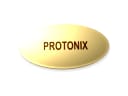
Prilosec (Omeprazole) and Protonix (Pantoprazole) both belong to the Médicaments gastro-intestinaux class. They share clinical context but use different active ingredients. The choice between them depends on mechanism nuances, side-effect profile and individual response.
| Property | Prilosec | Protonix |
|---|---|---|
| Active ingredient | Omeprazole | Pantoprazole |
| Manufacturer | AstraZeneca / P&G | Pfizer |
| Class | Médicaments gastro-intestinaux | Médicaments gastro-intestinaux |
| Strengths | 10mg, 20mg, 40mg | 20mg, 40mg |
| Forms | delayed-release capsule, delayed-release tablet, oral suspension | delayed-release tablet, oral suspension |
What's the same
Prilosec and Protonix both belong to the Médicaments gastro-intestinaux class and are used for partially overlapping indications. The active ingredients — Omeprazole vs Pantoprazole — share the same therapeutic approach, so many safety and management points carry across both.
Key differences
Meaningful differences are in active ingredient (Omeprazole vs Pantoprazole), strengths (10mg, 20mg, 40mg vs 20mg, 40mg), forms (delayed-release capsule, delayed-release tablet, oral suspension vs delayed-release tablet, oral suspension), and the mechanism, half-life and side-effect nuances that distinguish members of the class.
Mechanism and action
Prilosec: L'oméprazole est un promédicament de type benzimidazole substitué, activé dans l'environnement acide de la cellule pariétale gastrique, où il inhibe de façon irréversible l'enzyme H+/K+-ATPase — la pompe à protons respon… Protonix: Le pantoprazole est un promédicament de type benzimidazole substitué, activé dans l'environnement acide de la cellule pariétale gastrique, où il inhibe de façon irréversible l'enzyme H+/K+-ATPase — la pompe à protons res…
When Prilosec is preferred
Prilosec est autorisé chez l'adulte et l'enfant dans le traitement du reflux gastro-œsophagien, y compris la cicatrisation de l'œsophagite érosive, de l'ulcère gastroduodénal, dans la prévention des ulcères induits par les AINS, dans le syndrome de Zollinger-Ellison et dans le ca…
When Protonix is preferred
Protonix est autorisé chez l'adulte et l'enfant dans le traitement du reflux gastro-œsophagien, y compris la cicatrisation de l'œsophagite érosive et son entretien, de l'ulcère gastroduodénal, dans la prévention des ulcères induits par les AINS, dans le syndrome de Zollinger-Elli…
Questions fréquentes
Is Prilosec or Protonix better? ▾
There is no single answer. Prilosec and Protonix both belong to the Médicaments gastro-intestinaux class but differ in mechanism nuances, half-life and side-effect profile. Preference depends on the patient, the prescriber and prior response to other therapies.
Can I switch from Prilosec to Protonix? ▾
Switching within the Médicaments gastro-intestinaux class is done under supervision, typically using equivalent doses and a follow-up period to confirm response and tolerance. It is not a self-directed decision.
Do Prilosec and Protonix have the same side effects? ▾
They share many of the Médicaments gastro-intestinaux class side effects, with differences from mechanism and dose. Each medication's prescribing information lists specifics.
More Prilosec comparisons
Les informations publiées sur ce site sont fournies à titre documentaire et pédagogique. Elles ne remplacent pas l'avis d'un professionnel de santé qualifié.