Diflucan vs Augmentin: side-by-side comparison
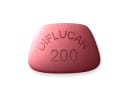

Diflucan (Antifongiques) and Augmentin (Antibiotiques) belong to different therapeutic classes and are rarely interchangeable. This page compares the medications' purposes, mechanisms and the situations where each is used.
| Property | Diflucan | Augmentin |
|---|---|---|
| Active ingredient | Fluconazole | Amoxicillin, Clavulanate |
| Manufacturer | Pfizer | GlaxoSmithKline |
| Class | Antifongiques | Antibiotiques |
| Strengths | 50mg, 100mg, 150mg, 200mg | 500/125mg, 875/125mg, 1000/62.5mg |
| Forms | capsule, oral suspension | tablet, extended-release tablet, oral suspension, chewable tablet |
What's the same
Diflucan and Augmentin are used in very different patients, and the points in common are limited. The main shared element is that both meet regulatory standards for efficacy and safety and benefit from pharmacist oversight.
Key differences
Diflucan belongs to Antifongiques while Augmentin belongs to Antibiotiques. Indications, mechanisms and target populations differ. The comparison is most useful when a clinician has mentioned both medications and the patient wants to understand where each fits.
Mechanism and action
Diflucan: Le fluconazole est un antifongique triazolé qui inhibe la lanostérol 14-alpha-déméthylase, enzyme dépendante du cytochrome P450, bloquant la synthèse de l'ergostérol à partir du lanostérol. Augmentin: L'amoxicilline inhibe la synthèse de la paroi bactérienne en se liant aux protéines liant les pénicillines (PLP), mais elle est hydrolysée par les bêta-lactamases produites par certaines bactéries résistantes.
When Diflucan is preferred
Diflucan est autorisé chez l'adulte et l'enfant dans le traitement de la candidose vulvovaginale, des candidoses oropharyngée et œsophagienne, des candidoses urinaires, des péritonites et autres candidoses invasives dues à des espèces sensibles, dont les candidémies, ainsi que da…
When Augmentin is preferred
Augmentin est autorisé chez l'adulte et l'enfant dans le traitement des infections des voies respiratoires, dont l'otite moyenne aiguë, la sinusite, la pneumonie communautaire et les exacerbations aiguës de bronchite chronique, des infections urinaires, dentaires, de la peau et d…
Questions fréquentes
Is Diflucan or Augmentin better? ▾
Diflucan and Augmentin are not interchangeable — they treat different conditions. Asking which is "better" is meaningful only when a clinician has weighed both for the same specific clinical scenario.
Can I switch from Diflucan to Augmentin? ▾
Switching between Diflucan and Augmentin is rarely an appropriate decision since they belong to different classes and treat different conditions. The real question is usually whether the diagnosis calls for one medication or the other — which the prescriber resolves.
Do Diflucan and Augmentin have the same side effects? ▾
No — they belong to different classes and have distinct side-effect profiles. Each medication has its own prescribing information.
Les informations publiées sur ce site sont fournies à titre documentaire et pédagogique. Elles ne remplacent pas l'avis d'un professionnel de santé qualifié.