Zoloft (Sertraline)
Zoloft is the original brand name for sertraline, a selective serotonin reuptake inhibitor (SSRI) marketed by Pfizer. Used in adults for major depression, panic disorder, OCD, PTSD, social anxiety and PMDD. Tablets in 25mg, 50mg and 100mg.
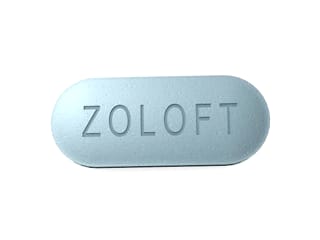
- Active ingredients
- Sertraline
- Manufacturer
- Pfizer
- Dosage forms
- tablet
- Category
- Anti-Depressants
What is it?
Zoloft is the original brand name for sertraline, an oral selective serotonin reuptake inhibitor approved by the FDA in 1991. It is manufactured by Pfizer and is one of the most widely prescribed antidepressants worldwide. Zoloft is approved for major depressive disorder in adults, with subsequent approvals for panic disorder, OCD, PTSD, social anxiety disorder and premenstrual dysphoric disorder. Authorised generic versions have been available since the early 2000s.
Active ingredients
Each Zoloft tablet contains sertraline hydrochloride as the active ingredient, supplied in three commercial strengths: 25mg, 50mg and 100mg. Sertraline selectively blocks the serotonin transporter on presynaptic neurons, increasing synaptic serotonin concentration. The molecule has weak effects on dopamine reuptake at high concentrations and minimal direct activity on other neurotransmitter systems, contributing to its tolerability profile relative to older antidepressants.
Forms and dosages
Zoloft is supplied as scored, light blue (25mg), light blue (50mg) or light yellow (100mg) film-coated tablets. The typical adult starting dose for major depression is 50mg once daily, taken in the morning or evening. The dose may be increased in 50mg increments based on response and tolerability, to a maximum of 200mg per day. Tablets can be taken with or without food. According to the prescribing information, full effect is generally evaluated after 4 to 6 weeks at a therapeutic dose.
Indications
Zoloft is approved in adults for major depressive disorder, panic disorder with or without agoraphobia, obsessive-compulsive disorder, post-traumatic stress disorder, social anxiety disorder, and premenstrual dysphoric disorder. Paediatric OCD is also an approved indication from age 6 in some jurisdictions. According to clinical guidelines, treatment should be initiated by a clinician familiar with mental health prescribing, with attention to suicidality risk and drug interactions.
How it works
Sertraline acts by selectively blocking the serotonin transporter, preventing serotonin reuptake from the synaptic cleft and increasing synaptic serotonin concentration. Over weeks of regular dosing, this drives adaptive changes in postsynaptic receptors and intracellular signalling thought to produce the clinical antidepressant and anxiolytic effects. The 26-hour half-life supports once-daily dosing, with steady-state plasma concentrations reached in approximately one week.
Frequently asked questions
How does Zoloft compare to other antidepressants? ▾
Zoloft (sertraline) is one of the most-studied SSRIs, with a generally favourable balance of efficacy and tolerability. Compared with fluoxetine, sertraline has a shorter half-life and may be preferred when faster dose adjustment or discontinuation is desired. Compared with paroxetine, it has a lower risk of significant withdrawal effects. According to comparative reviews, the choice between SSRIs often depends on individual response, side effect tolerance and drug interaction profile rather than measured efficacy.
How long does Zoloft take to work? ▾
Some early effects on sleep and anxiety may appear within the first 1 to 2 weeks, but the full antidepressant effect typically develops over 4 to 6 weeks of continuous treatment at a therapeutic dose. According to the prescribing information, treatment response should not be evaluated only based on the first weeks. If response is insufficient after 4 to 6 weeks at an adequate dose, the prescribing physician may consider dose adjustment or alternative therapy.
What are the most common side effects of Zoloft? ▾
The most common side effects, particularly during the first weeks of treatment, include nausea, diarrhoea, insomnia, increased sweating and sexual dysfunction (decreased libido, delayed orgasm, erectile difficulties). Most physical side effects diminish over the first 2 to 4 weeks. Sexual dysfunction may persist throughout treatment in some patients. According to the prescribing information, persistent or severe side effects should be reported to the prescribing physician.
Can I drink alcohol with Zoloft? ▾
While sertraline does not appear to have a major direct interaction with alcohol, the combination is generally not recommended. Alcohol can worsen depression and anxiety symptoms, may increase drowsiness and impair judgement, and can interfere with treatment response. According to clinical guidelines, alcohol consumption should be discussed with the prescribing physician, who may advise abstaining or moderate use depending on individual circumstances.
Can Zoloft be stopped abruptly? ▾
No. Although Zoloft is not addictive in the traditional sense, abrupt discontinuation after weeks of regular use can cause discontinuation syndrome with dizziness, sleep disturbance, sensory changes and flu-like symptoms. According to the prescribing information, the dose should be tapered gradually over weeks rather than stopped suddenly. The taper schedule is determined by the prescribing physician based on the duration of treatment and dose level.
Related medications


Sources
This page is compiled from the official prescribing information for Sertraline. The links below open a search for that active ingredient in each register, so you always reach the current version of the label rather than a cached copy.
The information on this website is provided for reference and educational purposes only. It does not replace consultation with a qualified healthcare professional.