Ventolin (Salbutamol/Albuterol) Inhaler
Ventolin is a prescription short-acting beta-2 agonist inhaler containing salbutamol (albuterol). It is used in adults and children for the rapid relief of bronchospasm in asthma and chronic obstructive pulmonary disease.
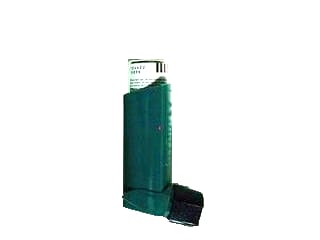
- Active ingredients
- Albuterol
- Manufacturer
- GSK
- Dosage forms
- metered-dose inhaler , nebuliser solution
- Available dosages
- 100 mcg/puff 2.5 mg/2.5 mL nebuliser
- Category
- Respiratory Medications
What is it?
Ventolin is one of the original brand names of salbutamol (known as albuterol in the United States), marketed by GSK. It was first introduced in the 1960s and has been a reference reliever inhaler for decades. The product is supplied as a pressurised metered-dose inhaler (HFA propellant) delivering 100 micrograms per actuation and as a nebuliser solution. Ventolin is dispensed only on prescription.
Active ingredients
Each puff of the metered-dose inhaler delivers 100 micrograms of albuterol (salbutamol). The nebuliser solution typically contains 2.5mg per 2.5 mL ampoule. Albuterol is a selective short-acting beta-2 adrenergic agonist that produces bronchodilation through receptor-mediated relaxation of airway smooth muscle.
Forms and dosages
Ventolin inhaler is administered by oral inhalation, typically as one or two puffs every four to six hours as needed for symptom relief, or before exposure to known triggers such as exercise. According to the prescribing information, frequent or daily use indicates inadequate maintenance therapy and should prompt review. The nebuliser solution is used in clinic or hospital settings or with a home nebuliser as prescribed.
Indications
Ventolin is approved in adults and children for the relief of bronchospasm in asthma and reversible airway obstruction in chronic obstructive pulmonary disease. It is also used to prevent exercise-induced bronchospasm and as part of nebulised therapy in acute exacerbations. According to current guidelines, monotherapy with Ventolin is no longer recommended for persistent asthma; a controller medication should always be added.
How it works
Albuterol selectively activates beta-2 adrenergic receptors on bronchial smooth muscle, leading to relaxation of the airways and rapid bronchodilation within five to fifteen minutes. The duration of action is approximately three to six hours. The drug also reduces release of inflammatory mediators from mast cells in the short term and modestly enhances mucociliary clearance. Higher systemic concentrations explain side effects such as tremor and tachycardia.
Frequently asked questions
How quickly does Ventolin work? ▾
After inhalation of the metered-dose inhaler, Ventolin typically produces noticeable bronchodilation within five to fifteen minutes, with peak effect at thirty to ninety minutes. The duration of effect is approximately three to six hours. According to the prescribing information, the inhaler is used for acute relief or before anticipated triggers such as exercise. Persistent or severe symptoms should be addressed urgently.
Why is using Ventolin every day a warning sign? ▾
Frequent need for a short-acting beta-2 agonist indicates uncontrolled airway inflammation in asthma and is associated with increased risk of severe exacerbations and mortality. According to international guidelines, the threshold of two or more uses per week (excluding pre-exercise prophylaxis) should prompt review of the maintenance regimen. Treating asthma only with Ventolin is no longer recommended.
How should the Ventolin inhaler be used? ▾
The inhaler should be shaken before use, with the mouthpiece exhaled away from. After breathing out gently, the inhaler is placed in the mouth and a slow deep inhalation is started while pressing the canister, holding breath for approximately ten seconds. A spacer is recommended for many adults and most children. According to the prescribing information, technique should be reviewed by a clinician or pharmacist at every relevant consultation.
Are there cardiac risks with Ventolin? ▾
Ventolin is selective for beta-2 receptors, but at high doses it can also stimulate beta-1 receptors in the heart, producing palpitations or tachycardia. Caution is required in patients with ischaemic heart disease, severe hypertension, hyperthyroidism or arrhythmias. According to the prescribing information, the medical history must be reviewed by a clinician before any prescription, with closer monitoring in cardiovascular comorbidity.
What are the main contraindications for Ventolin? ▾
Ventolin is contraindicated in known hypersensitivity to salbutamol. Caution is required in tachyarrhythmias, severe ischaemic heart disease, hyperthyroidism, severe hypertension, hypokalaemia and during pregnancy and breastfeeding. According to the prescribing information, the medical history and current medication list must be reviewed by a clinician before any prescription, particularly when other beta-agonists or sympathomimetics are already being taken.
Related medications


Sources
This page is compiled from the official prescribing information for Albuterol. The links below open a search for that active ingredient in each register, so you always reach the current version of the label rather than a cached copy.
The information on this website is provided for reference and educational purposes only. It does not replace consultation with a qualified healthcare professional.