Topamax (Topiramate) Tablets for Epilepsy and Migraine
Topamax is an oral antiepileptic and migraine prophylactic containing topiramate. It is used in adults and children for partial-onset seizures, primary generalised seizures and Lennox-Gastaut syndrome, and in adults for migraine prevention.
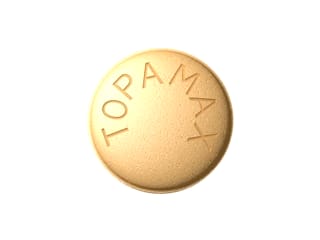
- Active ingredients
- Topiramate
- Manufacturer
- Janssen
- Dosage forms
- tablet , sprinkle capsule , extended-release capsule
- Category
- Neurological Medications
What is it?
Topamax is the original brand of topiramate, marketed by Janssen (a Johnson & Johnson company) since its approval as an antiepileptic in 1996 and for migraine prophylaxis in 2004. It is supplied as oral tablets, sprinkle capsules (for paediatric use or in patients with swallowing difficulties) and extended-release capsules. Topamax is dispensed only on prescription and is widely used worldwide. Multiple authorised generics are now available.
Active ingredients
Each tablet contains topiramate as the sole active ingredient at 25mg, 50mg, 100mg or 200mg. Topiramate is a sulfamate-substituted monosaccharide with multiple mechanisms of action including sodium channel blockade, GABA enhancement, glutamate antagonism and weak carbonic anhydrase inhibition.
Forms and dosages
Topamax is administered orally twice daily with immediate-release tablets, or once daily with extended-release capsules. According to the prescribing information, doses are titrated slowly over weeks. Typical adult doses are 100-400mg per day for epilepsy and 100mg per day for migraine prevention, with target doses individualised. Substantial dose reduction is required in significant renal impairment.
Indications
Topamax is approved in adults and children aged 2 years and older for the treatment of partial-onset seizures, primary generalised tonic-clonic seizures and seizures associated with Lennox-Gastaut syndrome (as adjunctive or monotherapy depending on the country and indication). It is also approved for migraine prophylaxis in adults. According to international guidelines, Topamax is one of the recommended first-line agents for migraine prevention.
How it works
Topiramate has multiple mechanisms of action: blockade of voltage-gated sodium channels, enhancement of gamma-aminobutyric acid (GABA) activity at non-benzodiazepine GABA-A receptor sites, antagonism of glutamate at AMPA/kainate receptors, and weak inhibition of carbonic anhydrase. This multimodal action explains its efficacy across epilepsy, migraine and other neurological indications.
Frequently asked questions
Why is Topamax used for migraine prevention? ▾
Multiple randomised trials have shown that topiramate at doses of 50-100mg per day reduces migraine frequency in adults with episodic and chronic migraine. According to international guidelines, Topamax is one of the recommended first-line agents for migraine prevention, alongside beta-blockers and CGRP-targeted agents. The choice depends on individual response, comorbidities and tolerability, with the prescriber making the final decision.
Why does Topamax cause weight loss? ▾
Anorexia and weight loss are common adverse effects of topiramate, more pronounced at higher doses and during prolonged treatment. The mechanism is not fully understood and may relate to taste alteration, satiety changes and metabolic effects. Combination products with phentermine are approved for weight management in some markets. According to the prescribing information, weight should be monitored during treatment, particularly in lean patients and children.
Why is acute glaucoma a concern with Topamax? ▾
Topiramate has been associated with an idiosyncratic syndrome of acute myopia and secondary angle-closure glaucoma, typically occurring within the first month of treatment. Symptoms include blurred vision, ocular pain and headache. According to the prescribing information, patients with these symptoms should stop Topamax and seek immediate ophthalmological evaluation. Untreated angle-closure glaucoma can cause permanent vision loss.
Is Topamax safe in pregnancy? ▾
No. Topamax is associated with an increased risk of major birth defects, particularly cleft lip and palate, when used during the first trimester. Several regulatory agencies have issued warnings or restrictions for use in women of childbearing potential. According to the prescribing information, effective contraception is required during treatment, and Topamax should not be used during pregnancy unless the benefits clearly outweigh the risks. The prescriber must review reproductive plans.
What are the main contraindications for Topamax? ▾
Topamax is contraindicated in known hypersensitivity to topiramate or its excipients, in pregnancy for migraine prophylaxis (and recommended only when benefits outweigh risks for epilepsy), and in concurrent use with alcohol with extended-release products. Caution is required in renal and hepatic impairment, kidney stone history, glaucoma risk, and during pregnancy and breastfeeding. According to the prescribing information, the medical history must be reviewed by a clinician before any prescription.
Related medications


Sources
This page is compiled from the official prescribing information for Topiramate. The links below open a search for that active ingredient in each register, so you always reach the current version of the label rather than a cached copy.
The information on this website is provided for reference and educational purposes only. It does not replace consultation with a qualified healthcare professional.