Synthroid (Levothyroxine)
Synthroid is AbbVie's brand of levothyroxine, the synthetic T4 thyroid hormone used as standard replacement therapy in hypothyroidism. Authorised generic levothyroxine is widely available, but the narrow therapeutic index makes brand consistency clinically meaningful.
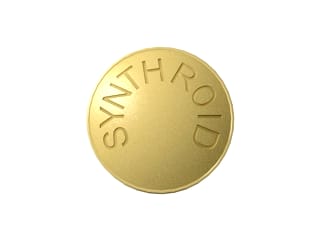
- Active ingredients
- Levothyroxine
- Manufacturer
- AbbVie
- Dosage forms
- tablet
- Category
- Hormones and Birth Control
What is it?
Synthroid is the brand name under which AbbVie (formerly Abbott) markets levothyroxine in the United States and several other markets; it has been in clinical use since 1955 and is among the most prescribed medicines worldwide. The molecule is on the WHO Essential Medicines List. Authorised generic levothyroxine is widely available, but the drug's narrow therapeutic index means many prescribers and patients prefer to keep a single product across refills, with TSH re-tested after any switch.
Active ingredients
Each Synthroid tablet contains levothyroxine sodium at 25, 50, 75, 100 or 150 micrograms (additional strengths up to 300 mcg also exist). The active substance is identical between branded Synthroid and authorised generic levothyroxine, with bioequivalence required by regulators. Tablets are colour-coded by strength to reduce dispensing and administration errors.
Forms and dosages
Synthroid is supplied as colour-coded oral tablets in 25, 50, 75, 88, 100, 112, 125, 137, 150, 175, 200 and 300 mcg strengths. Dosing is by body weight and underlying condition: full replacement is approximately 1.6 mcg/kg/day in young, otherwise-healthy adults. Older adults or those with cardiovascular disease start lower (12.5–50 mcg) and titrate cautiously. Take on an empty stomach 30–60 minutes before breakfast, with water only.
Indications
Synthroid is approved for hypothyroidism of any cause (Hashimoto thyroiditis, post-thyroidectomy, post-radioiodine, congenital), goitre and TSH suppression after differentiated thyroid cancer. According to current guidelines, levothyroxine alone is the standard first-line therapy for hypothyroidism; combination T4/T3 or desiccated thyroid extract are not recommended as routine first-line treatment.
How it works
Levothyroxine replaces deficient endogenous thyroxine, which is converted in tissues to the active hormone triiodothyronine (T3) by deiodinase enzymes. Adequate replacement restores normal thyroid signalling at nuclear receptors, normalising metabolic rate, cardiovascular function, growth and development. The therapeutic goal is restoration of euthyroidism judged by TSH (and free T4) within laboratory reference ranges; the long ~7-day half-life produces stable plasma levels on once-daily dosing.
Frequently asked questions
Why must Synthroid be taken on an empty stomach? ▾
Food, coffee, calcium and iron substantially reduce levothyroxine absorption, leading to subtherapeutic levels and persistent hypothyroidism. According to the prescribing information, Synthroid should be taken at least 30–60 minutes before breakfast or 4 hours after the last meal, with water only. Consistent timing is more important than perfect timing — pick a routine and keep it.
Can I switch between Synthroid and a generic levothyroxine? ▾
Yes, but careful TSH re-checking after any switch is recommended. Authorised generics are bioequivalent to Synthroid by regulatory standard, but the narrow therapeutic index means small bioavailability differences can shift TSH out of range. According to clinical guidance, once a stable dose is reached on a particular product, that product should be continued where possible, and TSH re-tested 6–8 weeks after any switch.
How is Synthroid dose adjusted in pregnancy? ▾
Thyroid hormone requirement increases by ~25–30% in pregnancy because of higher thyroxine-binding globulin and fetal demand. Women on stable replacement should increase the dose at confirmation of pregnancy and have TSH checked every 4 weeks during the first trimester. According to obstetric guidelines, target TSH in pregnancy is below 2.5 mIU/L in the first trimester.
What lab tests are needed on Synthroid? ▾
TSH (and sometimes free T4) is the main monitoring test. After starting or changing dose, TSH is re-checked at 6–8 weeks because steady state takes that long. Once stable, TSH is typically checked every 6–12 months. Symptoms alone are not a reliable guide because they can be subtle or non-specific; the lab values direct dose adjustment.
Is Synthroid the same as generic levothyroxine? ▾
Both contain levothyroxine sodium at the same labelled strength and have demonstrated bioequivalence. The narrow therapeutic index makes some prescribers prefer brand consistency to avoid TSH swings on switching. According to current guidelines, the choice between Synthroid and an authorised generic is reasonable as long as TSH is rechecked after any switch and the same product is then maintained.
Related medications


Sources
This page is compiled from the official prescribing information for Levothyroxine. The links below open a search for that active ingredient in each register, so you always reach the current version of the label rather than a cached copy.
The information on this website is provided for reference and educational purposes only. It does not replace consultation with a qualified healthcare professional.