Prozac (Fluoxetine)
Prozac is Eli Lilly's brand of fluoxetine, the first SSRI introduced into clinical practice (1987). It is approved for depression, OCD, bulimia nervosa and premenstrual dysphoric disorder, and is notable for its long half-life and gentle discontinuation profile.
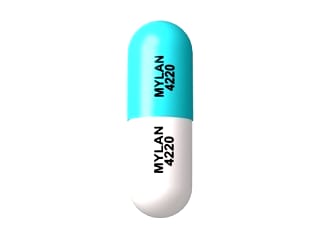
- Active ingredients
- Fluoxetine
- Manufacturer
- Eli Lilly
- Category
- Anti-Depressants
What is it?
Prozac is the brand name under which Eli Lilly markets fluoxetine; its 1987 launch transformed psychiatric prescribing by offering an antidepressant safer in overdose and easier to tolerate than the tricyclics that preceded it. Authorised generic fluoxetine has been available since 2001 and dominates current prescribing — most clinical use today is on the generic, with Prozac-branded capsules typically reserved by patient or prescriber preference. The molecule is on the WHO Essential Medicines List.
Active ingredients
Each Prozac capsule contains 10mg, 20mg or 40mg of fluoxetine hydrochloride. The active substance is identical between branded Prozac and authorised generic fluoxetine, with bioequivalence required by the regulator. A weekly delayed-release 90mg formulation (Prozac Weekly) is also available for adherence-challenged adult patients on stable maintenance therapy.
Forms and dosages
Prozac is supplied as immediate-release capsules and tablets in 10, 20 and 40mg strengths, and as a weekly 90mg delayed-release capsule. Depression typically starts at 20mg once daily, titrated to 20–60mg. OCD and bulimia often need higher doses (60–80mg). Take in the morning to limit insomnia, with or without food. The very long half-life means dose changes take weeks to fully manifest.
Indications
Prozac is approved for major depressive disorder (adult and paediatric from age 8), obsessive-compulsive disorder (paediatric from age 7), bulimia nervosa, panic disorder and premenstrual dysphoric disorder. It is the only SSRI with a robust paediatric depression evidence base and FDA paediatric approval. The Sarafem brand markets the same molecule specifically for PMDD.
How it works
Fluoxetine selectively inhibits the serotonin reuptake transporter, increasing synaptic serotonin availability. The pharmacologically active metabolite norfluoxetine extends the duration of effect substantially. Fluoxetine has the longest half-life of any SSRI (1–4 days for the parent, 7–15 days for norfluoxetine), which allows once-daily or even weekly dosing in some forms and largely eliminates the discontinuation syndrome that affects shorter-half-life SSRIs.
Frequently asked questions
Why is Prozac called the original SSRI? ▾
Prozac was the first SSRI to reach clinical use (1987 FDA approval) and the drug that defined the SSRI class. Before fluoxetine, tricyclic antidepressants and MAOIs were standard but had serious tolerability and overdose issues. Prozac's launch transformed psychiatric prescribing by offering a safer, easier-to-tolerate antidepressant — the brand name itself entered popular culture.
Does Prozac need to be tapered? ▾
Fluoxetine's very long half-life (1–4 days for the parent, 7–15 days for the active metabolite norfluoxetine) means it self-tapers after stopping — discontinuation syndrome is rare and mild. According to clinical practice, Prozac can usually be stopped without a structured taper, in contrast to paroxetine or venlafaxine which require careful dose reduction.
Can Prozac be used in children? ▾
Yes — fluoxetine is the only SSRI with FDA approval for paediatric major depressive disorder (from age 8) and OCD (from age 7), supported by stronger paediatric evidence than other SSRIs. According to clinical guidelines, fluoxetine is the SSRI of choice when an SSRI is needed in children and adolescents, with regular monitoring for emergent suicidality during initiation.
How long does Prozac take to work? ▾
Some symptoms (sleep, appetite) may improve within 1–2 weeks; full antidepressant effect develops over 4–6 weeks of continuous dosing. The very long half-life means steady state is reached after several weeks, so the prescriber typically waits 4–6 weeks before judging response and considering dose changes. Stopping early is a common reason for relapse.
Is Prozac the same as generic fluoxetine? ▾
Yes — Prozac and authorised generic fluoxetine capsules contain the same active ingredient at the same strengths and have demonstrated bioequivalence. The generic is significantly cheaper and clinically equivalent in nearly all cases. The Prozac trademark remains widely recognised but most prescribing today is on the authorised generic.
Related medications


Sources
This page is compiled from the official prescribing information for Fluoxetine. The links below open a search for that active ingredient in each register, so you always reach the current version of the label rather than a cached copy.
The information on this website is provided for reference and educational purposes only. It does not replace consultation with a qualified healthcare professional.