Prometrium (Micronised Progesterone)
Prometrium is a brand of oral micronised progesterone, the bioidentical natural progestogen used for endometrial protection in postmenopausal women receiving estrogen and for selected gynaecological indications. Authorised generic micronised progesterone is widely available.
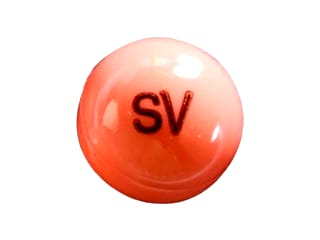
- Active ingredients
- Progesterone
- Manufacturer
- Catalent / Virtus
- Dosage forms
- capsule
- Category
- Hormones and Birth Control
What is it?
Prometrium is the US brand name for oral micronised progesterone (sold as Utrogestan in much of Europe), originally launched by Solvay and currently marketed in the US by Catalent and Virtus. Authorised generic micronised progesterone is widely available since 2010. According to current menopause guidelines, micronised progesterone is preferred over older synthetic progestins (medroxyprogesterone, norethindrone) for HRT because of evidence suggesting lower breast cancer and cardiovascular risk.
Active ingredients
Each Prometrium capsule contains 100mg or 200mg of bioidentical micronised progesterone in peanut-oil suspension to improve absorption (peanut allergy is a contraindication for Prometrium specifically — alternative formulations such as Crinone do not contain peanut oil). The active substance is identical between branded Prometrium and authorised generic micronised progesterone.
Forms and dosages
Prometrium is supplied as oral capsules in 100mg and 200mg strengths. For postmenopausal endometrial protection alongside estrogen, typical dosing is 100mg daily continuous or 200mg daily for 12 days each cycle. For secondary amenorrhoea, 400mg daily for 10 days induces withdrawal bleeding. Capsules are taken at bedtime because of sedative metabolites; food slightly improves absorption.
Indications
Prometrium is approved for endometrial protection in postmenopausal women receiving estrogen, secondary amenorrhoea and selected ART indications. Off-label use includes premenstrual dysphoric disorder, perimenopausal symptoms and as a sleep aid in selected patients. According to current menopause guidelines, micronised progesterone is the preferred progestogen in HRT, particularly in women with cardiovascular risk factors or migraine.
How it works
Progesterone in Prometrium binds to progesterone receptors and modulates gene expression in reproductive and other tissues. In HRT, it counteracts estrogen-driven endometrial proliferation, preventing hyperplasia and endometrial cancer in women with an intact uterus receiving estrogen. Oral progesterone undergoes extensive first-pass metabolism, generating allopregnanolone and other GABAergic metabolites that contribute the characteristic bedtime sedation. The half-life is short (a few hours) but bedtime dosing supports continuous endometrial protection.
Frequently asked questions
Why is Prometrium taken at bedtime? ▾
Oral micronised progesterone undergoes extensive first-pass metabolism, generating allopregnanolone and other GABAergic metabolites that often cause drowsiness. Bedtime dosing turns this into a clinical advantage by aiding sleep. According to the prescribing information, the sedative effect is usually mild but is enough that morning dosing or driving immediately after dosing is generally avoided.
Can I take Prometrium if I have a peanut allergy? ▾
Prometrium specifically contains peanut oil as the suspension vehicle, so peanut allergy is a contraindication. Alternative micronised progesterone products without peanut oil (such as authorised generic peanut-free formulations or vaginal Crinone) are options. The prescriber and pharmacist should confirm vehicle composition before initiating treatment in patients with food allergies.
Why is Prometrium preferred over older progestins for HRT? ▾
Observational studies of European HRT cohorts suggest that micronised progesterone is associated with a lower breast cancer signal and more favourable cardiovascular profile than synthetic progestins like medroxyprogesterone acetate. According to current menopause guidelines, micronised progesterone is preferred when available, though evidence quality is mixed.
How does Prometrium fit with estrogen therapy? ▾
Women with an intact uterus receiving estrogen need progestogen to prevent endometrial hyperplasia. Prometrium can be given continuously (typically 100mg daily) or cyclically (200mg daily for 12 days each month). Continuous regimens minimise withdrawal bleeding; cyclic regimens may better suit perimenopausal women still close to menstrual cycles.
Is Prometrium the same as generic micronised progesterone? ▾
Yes — Prometrium and authorised generic micronised progesterone capsules contain the same active ingredient at the same strengths and have demonstrated bioequivalence. Vehicle composition (e.g. peanut oil) may differ between products and is relevant for patients with allergies. The generic is significantly cheaper and clinically equivalent in nearly all cases.
Related medications


Sources
This page is compiled from the official prescribing information for Progesterone. The links below open a search for that active ingredient in each register, so you always reach the current version of the label rather than a cached copy.
The information on this website is provided for reference and educational purposes only. It does not replace consultation with a qualified healthcare professional.