Plan B One-Step (Levonorgestrel 1.5mg)
Plan B is the brand name for levonorgestrel 1.5mg used as emergency contraception after unprotected intercourse or contraceptive failure. Most effective when taken within 72 hours; available over-the-counter in many jurisdictions.
- Active ingredients
- Levonorgestrel
- Manufacturer
- Foundation Consumer Healthcare
- Dosage forms
- tablet
- Available dosages
- 1.5mg
- Category
- Hormones and Birth Control
What is it?
Plan B (or Plan B One-Step) is the most widely known brand of levonorgestrel-based emergency contraception. It is sold over-the-counter without a prescription in the United States, much of Europe and many other regulated markets, reflecting its favourable safety profile and the public health value of rapid access. The product is intended for use after unprotected intercourse or contraceptive failure (e.g. condom breakage, missed pills) and is not designed for regular contraception.
Active ingredients
Each Plan B tablet contains 1.5mg of levonorgestrel, a synthetic progestin. The single 1.5mg dose replaces the older two-dose regimen of 0.75mg taken 12 hours apart. Levonorgestrel is the same molecule used in lower daily doses in regular oral contraceptives, hormonal IUDs, and progestin-only pills. The high single dose is required for the emergency indication, where it primarily acts by delaying or preventing ovulation.
Forms and dosages
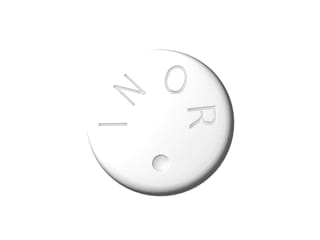
Plan B is supplied as a single white round tablet containing 1.5mg of levonorgestrel. The recommended dose is one tablet taken as soon as possible after unprotected intercourse, ideally within 72 hours but with some efficacy up to 120 hours. The tablet can be taken with or without food. Vomiting within 2 hours of dosing may require a repeat dose. According to the prescribing information, only one tablet per emergency event is used.
Indications
Plan B is indicated for emergency contraception after unprotected intercourse or known/suspected contraceptive failure, in women of reproductive age. It is most effective within 72 hours and should not be used as a regular contraceptive method due to higher per-cycle pregnancy risk and side effects compared with ongoing contraception. According to clinical guidelines, women who repeatedly need emergency contraception should be offered counselling on a regular contraceptive method.
How it works
Plan B's primary mechanism is delaying or preventing ovulation when taken before the LH surge. If ovulation has already occurred, levonorgestrel may also affect cervical mucus and tubal transport, but its post-ovulation effect is limited. Plan B does not interrupt an established pregnancy and does not have abortifacient effects. Effectiveness is highest immediately after intercourse and decreases over the 72-hour window, with some efficacy persisting up to 120 hours.
Frequently asked questions
How quickly should Plan B be taken? ▾
As soon as possible after unprotected intercourse — every hour matters within the 72-hour window. Effectiveness is highest immediately after the unprotected event and decreases progressively. According to clinical guidelines, women should not delay if Plan B is needed. If 72 hours has passed but it has been less than 120 hours, Plan B may still offer some protection but ulipristal acetate or copper IUD are preferred alternatives with higher effectiveness in that extended window.
Is Plan B the same as the abortion pill? ▾
No. Plan B (levonorgestrel) acts primarily by delaying ovulation and does not interrupt an established pregnancy. The 'abortion pill' (mifepristone and misoprostol) is a separate medication used for medical termination of an existing early pregnancy under medical supervision. The two are pharmacologically and clinically different. Plan B taken when pregnancy is already established has no effect on the developing pregnancy.
Will Plan B work for everyone? ▾
Plan B reduces but does not eliminate the risk of pregnancy. Effectiveness depends on time since intercourse, the woman's BMI (lower in higher-BMI women), and whether ovulation has already occurred. According to the prescribing information, women weighing more than approximately 75 kg may have reduced effectiveness, and ulipristal acetate or copper IUD may be more effective alternatives. After taking Plan B, expected next period should occur within a few days of the usual time; if it is more than a week late, a pregnancy test is recommended.
Are there side effects from Plan B? ▾
Common side effects include nausea, headache, fatigue, dizziness, breast tenderness and menstrual cycle changes (early or late next period). These are typically transient and resolve within a few days. According to the prescribing information, severe abdominal pain after Plan B may indicate ectopic pregnancy and should prompt immediate medical evaluation. The favourable safety profile is part of why Plan B is sold over-the-counter in many jurisdictions.
Can I take Plan B more than once? ▾
Plan B can be used repeatedly if needed; there is no documented harm from repeated use. However, repeated emergency contraceptive use is less effective than regular contraception and is associated with more menstrual disruption and side effects. According to clinical guidelines, women who frequently need emergency contraception should consult a healthcare provider about a regular contraceptive method better suited to their needs.
Related medications


Sources
This page is compiled from the official prescribing information for Levonorgestrel. The links below open a search for that active ingredient in each register, so you always reach the current version of the label rather than a cached copy.
The information on this website is provided for reference and educational purposes only. It does not replace consultation with a qualified healthcare professional.