Paxil (Paroxetine)
Paxil is GlaxoSmithKline's brand of paroxetine, an SSRI antidepressant approved for depression, panic disorder, social anxiety, OCD, generalised anxiety and PTSD. Authorised generic paroxetine has been widely available since 2003 at lower cost.
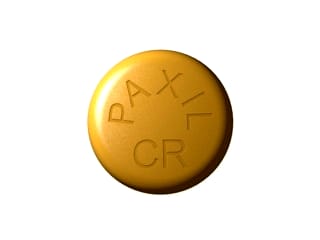
- Active ingredients
- Paroxetine
- Manufacturer
- GlaxoSmithKline
- Dosage forms
- tablet
- Category
- Anti-Depressants
What is it?
Paxil is the brand name under which GlaxoSmithKline markets paroxetine in the United States and several other markets; it is sold as Seroxat in Europe and Aropax in Australia. Paroxetine was FDA-approved in 1992 and was once one of the most prescribed antidepressants worldwide. Authorised generic paroxetine has been available since 2003 and dominates current prescribing — most clinical use today is on the generic, with Paxil-branded tablets typically reserved by patient or prescriber preference.
Active ingredients
Each Paxil tablet contains 10mg, 20mg, 30mg or 40mg of paroxetine hydrochloride. The active substance is identical between branded Paxil and authorised generic paroxetine tablets, with bioequivalence required by the regulator. A controlled-release formulation (Paxil CR) and a low-dose mesylate salt for menopausal hot flashes (Brisdelle) are separate products.
Forms and dosages
Paxil is supplied as film-coated immediate-release tablets in 10, 20, 30 and 40mg strengths. Depression usually starts at 20mg once daily, often titrated to 20–50mg. Panic disorder typically starts lower (10mg) and titrates more cautiously. Tablets are taken once daily, usually in the morning to limit insomnia, with or without food. Discontinuation requires gradual tapering.
Indications
Paxil is approved for major depressive disorder, generalised anxiety disorder, social anxiety disorder, panic disorder, obsessive-compulsive disorder and post-traumatic stress disorder, with regional variation. Paxil CR is also approved for premenstrual dysphoric disorder. Use in pregnancy is generally avoided because of evidence linking paroxetine to fetal cardiovascular malformations.
How it works
Paroxetine selectively inhibits the serotonin reuptake transporter (SERT), increasing synaptic serotonin availability. It is the most potent SSRI for SERT inhibition and has weak anticholinergic activity, which contributes both to therapeutic effect (sleep, anxiety) and to side effects (dry mouth, constipation). Therapeutic effect builds over 4–6 weeks; sustained dosing is required for full benefit. The relatively short ~21-hour half-life and CYP2D6 metabolism contribute to a notable discontinuation syndrome on abrupt cessation.
Frequently asked questions
Why does Paxil have such a difficult discontinuation? ▾
Paroxetine's relatively short half-life and CYP2D6-mediated metabolism produce rapid plasma drops on cessation, triggering an SSRI discontinuation syndrome — dizziness, sensory disturbances ('brain zaps'), flu-like symptoms — that is more pronounced than with longer-half-life SSRIs like fluoxetine. According to the prescribing information, Paxil should be tapered slowly, typically over weeks to months.
Is Paxil still a first-line antidepressant? ▾
Paxil is effective but is now generally considered a later-line option compared with escitalopram or sertraline because of its discontinuation profile, weight gain and CYP2D6 interactions. According to current guidelines, escitalopram and sertraline are usually preferred as first-line SSRIs in adults without prior antidepressant history.
Can Paxil be used in pregnancy? ▾
Paxil is generally avoided in pregnancy, particularly in the first trimester, because of evidence linking it to fetal cardiovascular malformations. According to current guidelines, women of reproductive age starting an SSRI should usually be offered an alternative if pregnancy is planned or possible.
How long does Paxil take to work? ▾
Anxiety symptoms can begin to ease within 1–2 weeks; full antidepressant effect develops over 4–6 weeks of continuous dosing. Patients are typically reviewed at 4–6 weeks to judge response and decide whether to continue, increase the dose or switch to another agent. Stopping early is a common reason for relapse.
Is Paxil the same as generic paroxetine? ▾
Yes — Paxil and authorised generic paroxetine tablets contain the same active ingredient at the same strengths and have demonstrated bioequivalence. The generic is significantly cheaper and clinically equivalent in nearly all cases. The Paxil trademark survives mainly in the United States; in Europe the molecule is most familiar under the Seroxat brand.
Related medications


Sources
This page is compiled from the official prescribing information for Paroxetine. The links below open a search for that active ingredient in each register, so you always reach the current version of the label rather than a cached copy.
The information on this website is provided for reference and educational purposes only. It does not replace consultation with a qualified healthcare professional.