Norvasc (Amlodipine) Oral Tablets
Norvasc is a prescription oral dihydropyridine calcium-channel blocker containing amlodipine. It is used in adults and children for hypertension and chronic stable or vasospastic angina, with once-daily dosing and a stable blood-pressure profile.
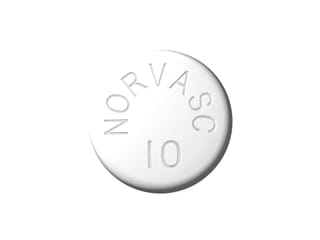
- Active ingredients
- Amlodipine
- Manufacturer
- Pfizer
- Dosage forms
- tablet
- Category
- Cardiovascular Medications
What is it?
Norvasc is the original brand name for amlodipine, marketed by Pfizer. It was approved by the United States Food and Drug Administration in 1992 and is supplied as oral tablets at 2.5mg, 5mg and 10mg. Norvasc is dispensed only on prescription. Multiple authorised generics of amlodipine are available worldwide. The molecule is one of the most prescribed antihypertensives globally and appears on the World Health Organization List of Essential Medicines.
Active ingredients
Each tablet contains amlodipine (as besylate) as the sole active ingredient at 2.5mg, 5mg or 10mg. Amlodipine is a third-generation dihydropyridine calcium-channel blocker that selectively dilates peripheral arteries with minimal direct cardiac effects at therapeutic doses.
Forms and dosages
Norvasc is administered orally once daily with or without food. According to the prescribing information, the usual starting dose in adults is 5mg once daily, with possible titration up to 10mg based on blood-pressure response and tolerability. Lower starting doses (2.5mg) are recommended in elderly patients, in hepatic impairment and when used in combination with other antihypertensives. Tablets are swallowed whole with water at the same time each day.
Indications
Norvasc is approved in adults for the treatment of essential hypertension and chronic stable angina, and for vasospastic (Prinzmetal's) angina. In paediatric patients from age 6, it is approved for hypertension. Norvasc can be used alone or in combination with other antihypertensives, including angiotensin-converting enzyme inhibitors, angiotensin receptor blockers, diuretics or beta-blockers. According to international guidelines, calcium-channel blockers are one of the recommended first-line classes in hypertension.
How it works
Amlodipine selectively blocks L-type calcium channels in vascular smooth muscle, reducing transmembrane calcium influx and producing peripheral arterial vasodilation. The drug has comparatively little direct effect on cardiac contractility or atrioventricular conduction at therapeutic doses. The result is a sustained reduction in systemic vascular resistance and blood pressure, with a parallel improvement in coronary perfusion that supports its anti-anginal effect.
Frequently asked questions
Why does Norvasc cause ankle swelling? ▾
Dihydropyridine calcium-channel blockers preferentially dilate arterioles compared with venules, leading to increased capillary pressure and fluid extravasation, mostly in the lower limbs. Ankle oedema is therefore a class effect of Norvasc and is typically dose-related, more common in women, in older adults and in warm weather. According to the prescribing information, persistent or severe oedema should be reported to the prescriber, who may reduce the dose or switch class.
How long does it take Norvasc to work? ▾
Norvasc is slowly absorbed and reaches peak plasma concentrations after six to twelve hours, with steady state achieved after about seven to eight days of once-daily dosing. Antihypertensive effect therefore develops gradually over days to weeks. According to the prescribing information, dose adjustment should be guided by blood-pressure response after at least one to two weeks at the same dose.
Can Norvasc be combined with other antihypertensives? ▾
Yes. Norvasc is frequently combined with renin-angiotensin system blockers, diuretics or beta-blockers in patients who do not reach blood-pressure targets on monotherapy. Several fixed-dose combinations exist. According to international guidelines, combination therapy is preferred in moderate to severe hypertension because it improves blood-pressure control and adherence. The choice of combination is made by the prescriber based on comorbidity and response.
Does grapefruit juice affect Norvasc? ▾
Grapefruit juice can modestly increase amlodipine plasma concentrations through inhibition of intestinal CYP3A4, but the effect is smaller than for some other dihydropyridines such as felodipine. According to the prescribing information, a substantial change in grapefruit consumption should be discussed with the prescriber, particularly in patients with marked blood-pressure changes or in combination with other CYP3A4-active medications.
What are the main contraindications for Norvasc? ▾
Norvasc is contraindicated in known hypersensitivity to dihydropyridine calcium-channel blockers, in severe hypotension, in shock and in unstable angina shortly after a myocardial infarction. Caution is required in severe aortic stenosis, severe hepatic impairment, in elderly and frail patients, and during pregnancy and breastfeeding. According to the prescribing information, the medical history must be reviewed by a clinician before any prescription.
Related medications


Sources
This page is compiled from the official prescribing information for Amlodipine. The links below open a search for that active ingredient in each register, so you always reach the current version of the label rather than a cached copy.
The information on this website is provided for reference and educational purposes only. It does not replace consultation with a qualified healthcare professional.