Mounjaro (Tirzepatide) Once-Weekly Injection
Mounjaro is a prescription once-weekly subcutaneous injection containing tirzepatide, a dual GIP and GLP-1 receptor agonist used in adults with type 2 diabetes to improve glycaemic control.
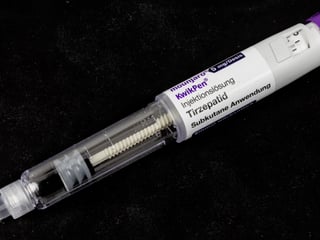
- Active ingredients
- Tirzepatide
- Manufacturer
- Eli Lilly
- Dosage forms
- pre-filled pen
- Category
- Diabetes Treatment
What is it?
Mounjaro is the brand name for tirzepatide, the first dual GIP/GLP-1 receptor agonist approved for type 2 diabetes. It was developed by Eli Lilly and approved by the United States Food and Drug Administration in 2022 and by the European Medicines Agency in 2022. The product is supplied as single-use pre-filled pens for once-weekly subcutaneous injection. Mounjaro is not the brand name for the same molecule when approved for chronic weight management.
Active ingredients
Each pen contains tirzepatide as the sole active ingredient at strengths of 2.5mg, 5mg, 7.5mg, 10mg, 12.5mg or 15mg per weekly injection. Tirzepatide is a synthetic 39-amino-acid peptide modified with a fatty diacid that allows reversible albumin binding and a half-life of about five days, supporting weekly dosing. It activates both the GIP receptor and the GLP-1 receptor.
Forms and dosages
Mounjaro is administered once weekly by subcutaneous injection in the abdomen, thigh or upper arm. According to the prescribing information, treatment starts at 2.5mg per week as a tolerability dose for four weeks, then escalates by 2.5mg every four weeks to a maintenance dose of 5, 10 or 15mg, selected by the prescriber. Injection day can be changed if the new day is at least three days from the previous one. Pens must be stored refrigerated before first use.
Indications
The medication is indicated in adults with type 2 diabetes mellitus, alone or in combination with other antidiabetic agents, to improve glycaemic control. It is not indicated for type 1 diabetes or diabetic ketoacidosis. The same molecule is approved under a separate brand name for chronic weight management in adults with obesity or with overweight and at least one weight-related comorbidity. According to the prescribing information, treatment must be initiated and supervised by a clinician.
How it works
Tirzepatide binds with high affinity to both the GIP and the GLP-1 receptors. Activation of both incretin pathways enhances glucose-dependent insulin secretion, suppresses inappropriate glucagon release, slows gastric emptying and reduces appetite through hypothalamic centres. The dual mechanism is thought to underlie the larger glycaemic and weight reductions reported in randomised trials compared with selective GLP-1 receptor agonists. Hypoglycaemia is rare in monotherapy because insulin secretion is stimulated only when glucose is elevated.
Frequently asked questions
How is Mounjaro different from semaglutide products? ▾
Mounjaro contains tirzepatide, which acts on both the GIP and GLP-1 receptors, while semaglutide products such as Ozempic act only on the GLP-1 receptor. Randomised clinical trials suggest larger reductions in HbA1c and body weight at the highest doses of tirzepatide compared with semaglutide, though gastrointestinal tolerability is broadly similar. Choice between products is made by the prescriber based on glycaemic and metabolic goals, comorbidities and individual tolerance.
How much weight loss is associated with Mounjaro? ▾
In adults with type 2 diabetes, randomised trials showed mean weight reductions of around 7% to 13% at maintenance doses of 5 to 15mg weekly over 40 weeks. The effect tends to be progressive over months and varies by individual. Mounjaro is not approved as a weight management product on its own; the same molecule is approved at similar doses under a separate brand name for chronic weight management.
Does Mounjaro cause hypoglycaemia? ▾
Mounjaro enhances insulin secretion only when glucose is elevated, so it carries a low intrinsic risk of hypoglycaemia in monotherapy. Hypoglycaemia is more likely when Mounjaro is combined with insulin or sulfonylureas; in this situation the prescribing information advises that the dose of these companion agents may need to be reduced, under medical supervision, when Mounjaro is started or escalated.
Can Mounjaro be used by people without diabetes? ▾
Mounjaro itself is approved only for type 2 diabetes. The same active molecule is approved under a separate brand name for chronic weight management in adults with obesity or with overweight and a weight-related comorbidity. Off-label use should be discussed with a qualified clinician. According to the prescribing information, lifestyle measures including diet and physical activity must accompany pharmacological treatment.
What are the main contraindications for Mounjaro? ▾
Personal or family history of medullary thyroid carcinoma, multiple endocrine neoplasia type 2 and known hypersensitivity to tirzepatide are formal contraindications. Caution is required in patients with previous pancreatitis, severe gastroparesis, diabetic retinopathy or active gallbladder disease, and during pregnancy and breastfeeding. According to the prescribing information, the medical history and current medication list must be reviewed by a clinician before any prescription.
Related medications


Sources
This page is compiled from the official prescribing information for Tirzepatide. The links below open a search for that active ingredient in each register, so you always reach the current version of the label rather than a cached copy.
The information on this website is provided for reference and educational purposes only. It does not replace consultation with a qualified healthcare professional.