Midamor (Amiloride)
Midamor is a brand of amiloride, the potassium-sparing diuretic used in hypertension and oedema. Most current use of amiloride is in fixed-dose combinations with hydrochlorothiazide (Moduretic, co-amilozide) to offset thiazide-induced potassium loss; Midamor monotherapy is uncommon today.
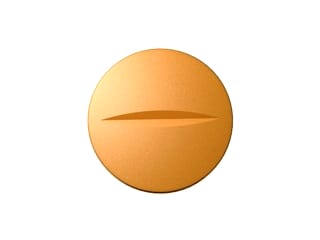
- Active ingredients
- Amiloride
- Manufacturer
- Various generics
- Dosage forms
- tablet
- Available dosages
- 5mg
- Category
- Diuretics
What is it?
Midamor is the historical brand name under which amiloride was marketed by Merck in the United States. Authorised generic amiloride is widely available, and the molecule is also one of the components of common fixed-dose combinations such as Moduretic (amiloride + hydrochlorothiazide). Most current use of amiloride is in these combinations rather than as monotherapy, where it counteracts thiazide-induced potassium loss while contributing modestly to blood-pressure reduction.
Active ingredients
Each Midamor tablet contains 5mg of amiloride hydrochloride. The active substance is identical between any historical Midamor-branded tablets and current authorised generic amiloride, with bioequivalence required by the regulator. In fixed-dose products, amiloride is paired with 50mg hydrochlorothiazide (older 'co-amilozide') or 25mg HCTZ in newer combinations.
Forms and dosages
Midamor is supplied as 5mg oral tablets. As monotherapy, the typical dose is 5–10mg once daily, taken with food to reduce gastrointestinal side effects. In combination with HCTZ, fixed-dose tablets typically contain amiloride 5mg + HCTZ 50mg (older formulation) or amiloride 2.5–5mg + HCTZ 12.5–25mg (modern lower-dose). Take in the morning to limit night-time urination.
Indications
Midamor is approved for hypertension (typically in combination with thiazides), oedema in heart failure or hepatic cirrhosis (in combination), and primary hyperaldosteronism (Liddle syndrome and pseudohyperaldosteronism). According to current hypertension guidelines, amiloride is most useful as a low-dose addition to thiazides to prevent hypokalaemia rather than as monotherapy, with spironolactone preferred when significant aldosterone antagonism is desired (heart failure, resistant hypertension).
How it works
Amiloride blocks the epithelial sodium channel (ENaC) in the distal convoluted tubule and collecting duct of the kidney, reducing sodium reabsorption and indirectly decreasing potassium and hydrogen ion excretion. This produces a mild diuretic effect with potassium-sparing action — distinct from spironolactone, which acts by aldosterone receptor antagonism. The mechanism is independent of aldosterone levels, making Midamor useful in hyperaldosterone states and in patients who do not tolerate spironolactone.
Frequently asked questions
How does Midamor differ from spironolactone? ▾
Both are potassium-sparing diuretics, but they act differently. Midamor (amiloride) directly blocks the epithelial sodium channel, independent of aldosterone, while spironolactone blocks the aldosterone receptor. Practically, Midamor does not cause gynaecomastia or sexual side effects, and is preferred when these are concerns. Spironolactone is preferred when significant aldosterone antagonism is needed (heart failure, resistant hypertension).
Why is Midamor often combined with hydrochlorothiazide? ▾
HCTZ promotes potassium loss; amiloride conserves potassium. The combination (Moduretic, co-amilozide) provides effective blood-pressure reduction while minimising hypokalaemia, allowing low effective doses of each component. According to current practice, this is one of the most commonly used potassium-sparing combinations in older adults with hypertension.
What lab tests are needed on Midamor? ▾
Serum potassium and creatinine are checked at baseline, 1–2 weeks after starting or any dose increase, and periodically thereafter. According to the prescribing information, hyperkalaemia is the main risk and is amplified by ACE inhibitors, ARBs, NSAIDs and renal impairment. Persistent hyperkalaemia warrants dose reduction or alternative therapy.
Can I take potassium supplements with Midamor? ▾
Generally no. Midamor is potassium-sparing, so adding potassium supplements substantially increases the risk of hyperkalaemia. According to the prescribing information, concurrent use is contraindicated unless documented hypokalaemia warrants careful supplementation under monitoring. Salt substitutes containing potassium chloride are typically also avoided.
Is Midamor the same as generic amiloride? ▾
Yes — the historical Midamor and current authorised generic amiloride tablets contain the same active ingredient at the same strength and have demonstrated bioequivalence. Most current prescribing is on the generic or in fixed-dose combinations with HCTZ. The Midamor monotherapy product itself is now uncommon in regular outpatient use.
Related medications


Sources
This page is compiled from the official prescribing information for Amiloride. The links below open a search for that active ingredient in each register, so you always reach the current version of the label rather than a cached copy.
The information on this website is provided for reference and educational purposes only. It does not replace consultation with a qualified healthcare professional.