Microzide (Hydrochlorothiazide)
Microzide is a brand name for hydrochlorothiazide (HCTZ), the most prescribed thiazide diuretic worldwide for hypertension and oedema. Authorised generics dominate the market and are clinically equivalent to Microzide at the same strength.
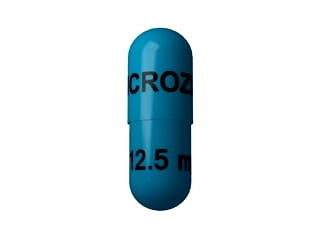
- Active ingredients
- Hydrochlorothiazide
- Manufacturer
- Various generics
- Category
- Diuretics
What is it?
Microzide is one of the brand names for hydrochlorothiazide (HCTZ), a thiazide diuretic in clinical use since 1959 and on the WHO Essential Medicines List. The molecule is among the most prescribed antihypertensives globally because of its low cost, once-daily dosing and decades-long safety record. Authorised generic hydrochlorothiazide is essentially universal — most prescribing today is generic, though Microzide remains a recognisable trademark in the United States.
Active ingredients
Each Microzide capsule or tablet contains 12.5mg, 25mg or 50mg of hydrochlorothiazide. The active substance is identical between Microzide and authorised generic HCTZ tablets, with bioequivalence required by regulators. Modern hypertension prescribing favours the 12.5–25mg strengths because they preserve metabolic profile while retaining most of the blood-pressure benefit.
Forms and dosages
HCTZ is supplied as oral tablets (and as Microzide-branded capsules) in 12.5mg, 25mg and 50mg strengths. Hypertension is typically initiated at 12.5–25mg once daily, occasionally titrated to 50mg. Oedema in heart failure or cirrhosis may use 25–100mg daily in divided doses. Take in the morning to limit night-time urination. Tablets can be taken with or without food.
Indications
Microzide is approved for hypertension (alone or in combination), oedema in heart failure, hepatic cirrhosis or nephrotic syndrome, and certain renal calcium-handling disorders. According to current hypertension guidelines, HCTZ is one of four first-line antihypertensive classes alongside ACE inhibitors, ARBs and calcium channel blockers, and is particularly useful in older adults and as combination therapy.
How it works
Hydrochlorothiazide blocks the sodium-chloride symporter in the distal convoluted tubule of the kidney, reducing sodium reabsorption and producing modest diuresis. Blood-pressure lowering develops over 1–2 weeks and persists through both diuretic and direct vasodilatory mechanisms. The diuretic effect is moderate compared with loop diuretics like furosemide, which makes HCTZ better suited to chronic blood-pressure control than to acute fluid removal.
Frequently asked questions
Is Microzide the same as generic HCTZ? ▾
Yes — Microzide and authorised generic hydrochlorothiazide tablets contain the same active ingredient at the same strengths and have demonstrated bioequivalence. The generic is significantly cheaper and clinically equivalent in nearly all cases. The Microzide trademark survives mainly in the United States; in many other countries the generic name is used directly.
Why is the dose typically only 12.5–25mg? ▾
Decades of trials show that 12.5–25mg HCTZ delivers most of the blood-pressure benefit with substantially fewer metabolic side effects than the 50mg dose used in older trials. According to current guidelines, low-dose HCTZ is preferred for hypertension monotherapy or as part of fixed combinations with an ACE inhibitor or ARB.
What lab tests are needed on Microzide? ▾
Serum potassium, sodium, glucose, uric acid and renal function are checked at baseline, 1–2 months after initiation and annually thereafter. Hypokalaemia is the most common abnormality and is often managed by potassium-rich diet or by combining with an ACE inhibitor, ARB or potassium-sparing diuretic rather than supplementation.
Can I take Microzide if I have gout? ▾
HCTZ raises serum uric acid and can precipitate gout flares. In patients with gout history, the prescriber may use lower doses, consider alternative antihypertensives, or add allopurinol to control uric acid. According to current guidelines, gout is not an absolute contraindication but warrants individual assessment.
When during the day should I take Microzide? ▾
Take it in the morning to avoid night-time urination. Diuresis begins within 2 hours and peaks at 4–6 hours, so a morning dose has its main effect during waking hours. Consistent timing helps establish steady blood-pressure control.
Related medications


Sources
This page is compiled from the official prescribing information for Hydrochlorothiazide. The links below open a search for that active ingredient in each register, so you always reach the current version of the label rather than a cached copy.
The information on this website is provided for reference and educational purposes only. It does not replace consultation with a qualified healthcare professional.