Lipitor (Atorvastatin) Oral Tablets
Lipitor is a prescription oral high-intensity statin containing atorvastatin. It is used in adults for primary and secondary prevention of cardiovascular disease, lowering LDL cholesterol and reducing the risk of major cardiovascular events.
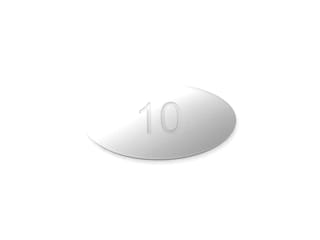
- Active ingredients
- Atorvastatin
- Manufacturer
- Pfizer
- Dosage forms
- tablet
- Category
- Cardiovascular Medications
What is it?
Lipitor is the original brand name for atorvastatin, marketed by Pfizer. It was approved by the United States Food and Drug Administration in 1996 and was for many years the highest-selling pharmaceutical product in the world. Lipitor is supplied as oral tablets at multiple strengths and is dispensed only on prescription. Multiple authorised generics of atorvastatin are available worldwide, and the molecule appears on the World Health Organization List of Essential Medicines.
Active ingredients
Each tablet contains atorvastatin (as calcium) as the sole active ingredient at 10mg, 20mg, 40mg or 80mg. Atorvastatin is an HMG-CoA reductase inhibitor (statin) and is classified as a high-intensity statin at the higher doses, capable of reducing LDL cholesterol by approximately 50% or more.
Forms and dosages
Lipitor is administered orally once daily, with or without food. According to the prescribing information, the usual starting dose is 10mg or 20mg once daily, with titration based on LDL targets and tolerability up to a maximum of 80mg. Lower doses are recommended in patients receiving certain CYP3A4 inhibitors. Tablets are swallowed whole with water and can be taken at any time of day, although consistency improves adherence.
Indications
Lipitor is approved in adults for the treatment of primary hypercholesterolaemia and mixed dyslipidaemia, for the prevention of cardiovascular events in patients at elevated risk and for the secondary prevention of cardiovascular events after acute coronary syndrome, stroke or revascularisation. It is also approved in adolescents from age 10 with familial hypercholesterolaemia under specialist supervision. According to international guidelines, the choice of dose depends on baseline risk and target LDL.
How it works
Atorvastatin competitively inhibits HMG-CoA reductase, the rate-limiting enzyme in hepatic cholesterol synthesis. Reduced intracellular cholesterol upregulates LDL receptors on the hepatocyte surface, increasing clearance of circulating LDL. The drug also has pleiotropic effects on endothelial function, inflammation and plaque stability. The clinical result is a reduction in LDL cholesterol of approximately 30% to 60% depending on dose, and a corresponding decrease in major cardiovascular events.
Frequently asked questions
How is Lipitor different from Crestor? ▾
Both are high-intensity statins, but they differ in pharmacokinetics. Lipitor (atorvastatin) is more lipophilic and undergoes extensive CYP3A4 metabolism, while Crestor (rosuvastatin) is more hydrophilic and excreted predominantly unchanged. Rosuvastatin is approximately three to four times more potent on a per-milligram basis. According to international guidelines, both are first-line in high-risk patients; the choice is made by the prescriber.
Should Lipitor be taken in the morning or evening? ▾
Lipitor can be taken at any time of day with or without food because its long effective half-life provides sustained inhibition of cholesterol synthesis throughout the 24-hour cycle. This contrasts with shorter-acting statins such as simvastatin, which are typically taken in the evening. According to the prescribing information, consistency is more important than timing — taking the dose at the same time each day improves adherence.
Is statin-related muscle pain serious? ▾
Most statin-related muscle pain is benign and reversible after discontinuation, but rare cases of severe rhabdomyolysis can be life-threatening. Risk factors include high doses, combination with strong CYP3A4 inhibitors or fibrates, advanced age, female sex, low body mass and renal impairment. According to the prescribing information, unexplained muscle pain, weakness or dark urine should be reported promptly to the prescriber for evaluation.
Why avoid grapefruit juice with Lipitor? ▾
Grapefruit juice inhibits CYP3A4, the enzyme primarily responsible for the metabolism of atorvastatin. Regular consumption can substantially increase plasma concentrations and the risk of adverse effects, including myopathy. According to the prescribing information, large or regular intake of grapefruit juice should be avoided during Lipitor therapy, and any planned change in diet should be discussed with the prescriber.
What are the main contraindications for Lipitor? ▾
Lipitor is contraindicated in known hypersensitivity to atorvastatin, in active liver disease or unexplained persistent elevation of serum transaminases, and during pregnancy and breastfeeding. Caution is required in renal impairment, in concurrent use of strong CYP3A4 inhibitors and in patients at high risk of myopathy. According to the prescribing information, the medical history must be reviewed by a clinician before any prescription.
Related medications


Sources
This page is compiled from the official prescribing information for Atorvastatin. The links below open a search for that active ingredient in each register, so you always reach the current version of the label rather than a cached copy.
The information on this website is provided for reference and educational purposes only. It does not replace consultation with a qualified healthcare professional.