Lexapro (Escitalopram)
Lexapro is the originator brand of escitalopram, a selective serotonin reuptake inhibitor used for major depression and generalised anxiety disorder. Tablets are available in 5mg, 10mg and 20mg, with 10mg the typical adult target dose.
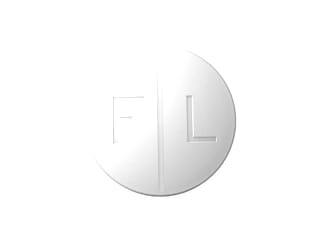
- Active ingredients
- Escitalopram
- Manufacturer
- Forest/Allergan
- Dosage forms
- tablet
- Category
- Anti-Depressants
What is it?
Lexapro is the brand name of escitalopram tablets marketed by Forest Laboratories (now Allergan) in the United States, with Cipralex the equivalent brand by Lundbeck in much of Europe. Approved by the FDA in 2002, it is one of the most widely used SSRIs for major depression and generalised anxiety. Authorised generic escitalopram is widely available and clinically equivalent at the standard 10mg dose.
Active ingredients
Each Lexapro tablet contains escitalopram (the S-enantiomer of citalopram), a selective serotonin reuptake inhibitor with relatively clean pharmacology compared with other SSRIs. The 5mg, 10mg and 20mg strengths allow flexible titration. The active substance is identical between Lexapro and authorised generics, with bioequivalence required by regulatory standards.
Forms and dosages
Lexapro is supplied as oval, film-coated tablets with score lines on the 10mg and 20mg strengths. The recommended adult starting dose is 10mg once daily, taken consistently in the morning or evening with or without food. After several weeks the dose may be increased to 20mg if response is inadequate. Older adults and those with hepatic impairment usually start at 5mg with a maximum of 10mg.
Indications
Lexapro is approved for major depressive disorder and generalised anxiety disorder in adults and adolescents 12 years and older (depression) and adults (generalised anxiety). Off-label uses include panic disorder, social anxiety disorder, OCD and premenstrual dysphoric disorder. According to clinical guidelines, escitalopram is considered first-line therapy for depression in adult primary care, particularly for patients without prior antidepressant exposure.
How it works
Lexapro acts by selectively inhibiting the serotonin reuptake transporter (SERT) at the synapse, increasing serotonin availability for postsynaptic receptors. The therapeutic effect builds over 4–6 weeks as downstream receptor adaptations occur, even though biochemical SERT inhibition is detectable within hours of the first dose. Anxiety symptoms often improve faster than depressive symptoms, sometimes within the first 2 weeks.
Frequently asked questions
How long does Lexapro take to work? ▾
Some users notice mood and sleep improvements within 1–2 weeks, but full antidepressant effect typically requires 4–6 weeks of consistent dosing. According to clinical guidelines, Lexapro should not be judged ineffective before 4–6 weeks at an adequate dose. Anxiety symptoms may respond faster than depressive symptoms.
Should I take Lexapro in the morning or evening? ▾
Either is acceptable. Some users find Lexapro slightly activating and prefer morning dosing; others find it sedating and prefer evening. Consistency matters more than the specific time. According to the prescribing information, food does not significantly affect absorption.
What are the most common side effects of Lexapro? ▾
Common side effects include nausea, headache, sleep disturbance, fatigue, sexual dysfunction (delayed orgasm, reduced libido) and increased sweating. Most are most prominent in the first 2–4 weeks and improve as the body adjusts. Persistent sexual side effects are the most common reason for switching SSRIs.
Is Lexapro addictive? ▾
Lexapro is not addictive in the sense of causing craving or compulsive use. However, abrupt stopping can produce a discontinuation syndrome (dizziness, flu-like symptoms, electric-shock sensations) that resolves with tapered withdrawal. According to the prescribing information, Lexapro should be tapered over weeks, not stopped abruptly.
What is the difference between Lexapro and Celexa? ▾
Lexapro contains escitalopram (the active S-enantiomer of citalopram), while Celexa contains citalopram (the racemic mixture of S and R enantiomers). Escitalopram has cleaner pharmacology, lower QT-prolongation risk, and is effective at half the milligram dose. According to clinical guidelines, escitalopram is generally preferred when starting an SSRI in this family.
Related medications


Sources
This page is compiled from the official prescribing information for Escitalopram. The links below open a search for that active ingredient in each register, so you always reach the current version of the label rather than a cached copy.
The information on this website is provided for reference and educational purposes only. It does not replace consultation with a qualified healthcare professional.