Januvia (Sitagliptin) Oral Tablets
Januvia is a prescription oral DPP-4 inhibitor containing sitagliptin, used in adults with type 2 diabetes mellitus to improve glycaemic control. Tablets are available at 25mg, 50mg and 100mg, with renal-based dose selection.
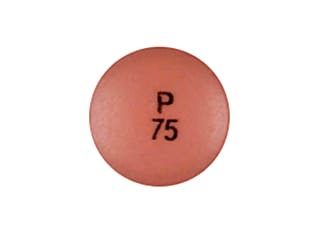
- Active ingredients
- Sitagliptin
- Manufacturer
- Merck (MSD)
- Dosage forms
- tablet
- Category
- Diabetes Treatment
What is it?
Januvia is the brand name for sitagliptin, the first DPP-4 inhibitor approved for type 2 diabetes. It was developed by Merck (sold as MSD outside the United States and Canada) and approved by the United States Food and Drug Administration in 2006. The product is supplied as film-coated tablets and is also available as fixed-dose combinations with metformin under separate brand names. Januvia is intended for adult use under prescription.
Active ingredients
Each tablet contains sitagliptin (as phosphate monohydrate) as the sole active ingredient at strengths of 25mg, 50mg or 100mg. Sitagliptin is a small-molecule, highly selective inhibitor of dipeptidyl peptidase-4. It is excreted predominantly unchanged in urine, which is why dose selection is based on renal function according to the prescribing information.
Forms and dosages
Januvia is administered orally once daily, with or without food. According to the prescribing information, the usual dose in adults with normal or mildly impaired renal function is 100mg once daily. In moderate renal impairment the dose is reduced to 50mg once daily, and in severe renal impairment, including end-stage renal disease, to 25mg once daily, regardless of dialysis schedule. Tablets are swallowed whole with water.
Indications
The medication is indicated in adults with type 2 diabetes mellitus, alone or in combination with other antidiabetic agents, to improve glycaemic control. Januvia is often used when metformin is insufficient, contraindicated or not tolerated, and as part of dual or triple therapy with other oral or injectable agents. It is not indicated for type 1 diabetes or for diabetic ketoacidosis. According to the prescribing information, the choice of regimen is made by the prescriber.
How it works
Sitagliptin reversibly inhibits DPP-4, the enzyme responsible for rapid degradation of GLP-1 and GIP. Higher concentrations of these incretins enhance glucose-dependent insulin secretion from pancreatic beta cells and suppress inappropriate glucagon release, with no effect when glucose levels are normal. Through this mechanism, Januvia lowers HbA1c by approximately 0.5% to 0.8% in monotherapy and is generally weight-neutral and well tolerated.
Frequently asked questions
How is Januvia different from GLP-1 receptor agonists? ▾
Januvia is an oral DPP-4 inhibitor that prolongs the action of endogenous incretins, while GLP-1 receptor agonists are injectable or oral peptides that directly activate the GLP-1 receptor at supraphysiological levels. As a result, GLP-1 receptor agonists generally produce greater HbA1c reduction and meaningful weight loss, while Januvia is weight-neutral and convenient as a daily tablet. The choice between classes is made by the prescriber.
Does Januvia cause hypoglycaemia? ▾
Januvia amplifies incretin signalling only when glucose is elevated, so it carries a very low intrinsic risk of hypoglycaemia in monotherapy. Hypoglycaemia is more likely when Januvia is combined with insulin or sulfonylureas, in which case the prescribing information advises that the dose of these companion agents may need to be reduced under medical supervision.
Does Januvia need dose adjustment in kidney disease? ▾
Yes. Because sitagliptin is excreted predominantly unchanged in urine, the prescribing information recommends 50mg once daily in moderate renal impairment and 25mg once daily in severe renal impairment, including end-stage disease. Dialysis schedule does not change the dose. Renal function should be assessed before treatment and periodically thereafter, with adjustments made by the prescriber.
Can Januvia be combined with metformin? ▾
Yes. Januvia is frequently used together with metformin and is also available as a fixed-dose combination with metformin under separate brand names. The combination targets two complementary mechanisms — incretin signalling and hepatic glucose production — and is well tolerated for most adults. The decision to combine, and the choice between separate tablets and the fixed-dose product, is made by the prescriber according to glycaemic targets.
What are the main contraindications for Januvia? ▾
Known hypersensitivity to sitagliptin, including serious skin reactions such as Stevens-Johnson syndrome, is a formal contraindication. Caution is required in patients with previous pancreatitis, severe renal impairment (with mandatory dose adjustment), and during pregnancy and breastfeeding where data are limited. According to the prescribing information, the medical history and current medication list must be reviewed by a clinician before any prescription.
Related medications


Sources
This page is compiled from the official prescribing information for Sitagliptin. The links below open a search for that active ingredient in each register, so you always reach the current version of the label rather than a cached copy.
The information on this website is provided for reference and educational purposes only. It does not replace consultation with a qualified healthcare professional.