Elavil (Amitriptyline)
Elavil is the original brand of amitriptyline, the foundational tricyclic antidepressant introduced in 1961. The brand is largely retired in many markets but the molecule remains widely used at low dose for neuropathic pain, migraine prevention and insomnia, with generics dominating prescribing.
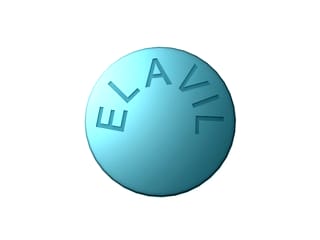
- Active ingredients
- Amitriptyline
- Manufacturer
- Various generics
- Dosage forms
- tablet
- Category
- Anti-Depressants
What is it?
Elavil is the historical brand name under which Merck (originally Merck Sharp & Dohme) marketed amitriptyline in the United States; the brand has been largely discontinued in most markets in favour of authorised generic amitriptyline, which has been available for decades. Despite the brand retirement, Elavil remains a commonly recognised name for amitriptyline among prescribers and patients. The molecule was a mainstay antidepressant before the SSRI era and remains on the WHO Essential Medicines List.
Active ingredients
Each Elavil-equivalent generic amitriptyline tablet contains 10mg, 25mg, 50mg, 75mg or 100mg of amitriptyline hydrochloride. The active substance is identical between any historical Elavil-branded tablets and current authorised generic amitriptyline, with bioequivalence required by the regulator. Most current prescribing is on the generic.
Forms and dosages
Amitriptyline is supplied as oral tablets in 10, 25, 50, 75 and 100mg strengths. For neuropathic pain or migraine prevention, typical dosing is 10–25mg at bedtime, titrated by 10–25mg every week or two as tolerated. For depression, doses of 75–150mg at bedtime are typical, divided initially during titration if needed. Take in the evening or at bedtime to align with the sedating effect.
Indications
Amitriptyline is approved for major depressive disorder, but contemporary use is dominated by low-dose off-label indications: neuropathic pain, fibromyalgia, chronic tension headache, migraine prevention, irritable bowel syndrome, nocturnal enuresis, and insomnia. According to current pain guidelines, low-dose amitriptyline is first-line for many neuropathic pain conditions. For depression, SSRIs are typically preferred first-line because of better tolerability and overdose safety.
How it works
Amitriptyline inhibits reuptake of serotonin and noradrenaline at central synapses. It also has substantial antagonism at H1 histamine, muscarinic acetylcholine, α1-adrenergic and 5-HT2 receptors, which explains both adverse effects (sedation, dry mouth, orthostatic hypotension) and useful low-dose actions (sleep induction, neuropathic pain modulation through descending inhibitory pathways). Therapeutic effect on pain develops over weeks; effect on sleep is immediate.
Frequently asked questions
Why is Elavil still used despite SSRIs being available? ▾
At low doses (10–25mg at bedtime), amitriptyline modulates descending inhibitory pain pathways through its noradrenaline reuptake inhibition without producing full antidepressant effect. Decades of randomised trials support its efficacy in neuropathic pain, fibromyalgia and migraine prevention. According to current guidelines, low-dose amitriptyline is first-line in many chronic pain conditions despite the depression-era branding.
Why is Elavil taken at bedtime? ▾
The strong antihistamine effect produces marked sedation, which makes morning use impractical for most patients but a useful effect at bedtime — particularly for patients with chronic pain plus insomnia. According to clinical practice, 25mg at bedtime often improves sleep within nights while pain modulation builds over weeks. Daytime sedation is the most common cause of dose limitation.
Is Elavil safe for older adults? ▾
Older adults are sensitive to anticholinergic effects (confusion, falls, urinary retention) and orthostatic hypotension. According to current geriatric guidelines, amitriptyline is on the Beers criteria list of medications to avoid in older adults where possible. When use is necessary, the lowest effective dose with careful monitoring is recommended; alternatives like nortriptyline (less anticholinergic) or non-TCA agents are often preferred.
How does Elavil compare with newer antidepressants for pain? ▾
Duloxetine (Cymbalta) and venlafaxine (Effexor) are SNRIs that provide similar pain modulation with better cardiovascular and anticholinergic safety than amitriptyline. According to current pain guidelines, duloxetine is often preferred when an antidepressant is needed for pain in older patients or those with cardiovascular disease, with low-dose amitriptyline a reasonable alternative when cost is a factor.
Is Elavil the same as generic amitriptyline? ▾
Yes — the historical Elavil and current authorised generic amitriptyline tablets contain the same active ingredient at the same strengths and have demonstrated bioequivalence. The Elavil brand has been largely retired and most current prescribing is on the authorised generic. The generic is significantly cheaper and clinically equivalent in nearly all cases.
Related medications


Sources
This page is compiled from the official prescribing information for Amitriptyline. The links below open a search for that active ingredient in each register, so you always reach the current version of the label rather than a cached copy.
The information on this website is provided for reference and educational purposes only. It does not replace consultation with a qualified healthcare professional.