Doxycycline Antibiotic Capsules
Doxycycline is a prescription oral tetracycline antibiotic. It is used in adults and children over 8 years for respiratory infections, sexually transmitted infections, acne, malaria prophylaxis, Lyme disease and other tick-borne and atypical infections.
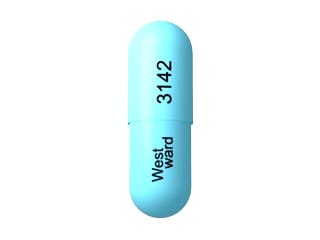
- Active ingredients
- Doxycycline
- Manufacturer
- Various
- Dosage forms
- capsule , tablet , delayed-release tablet , oral suspension
- Category
- Antibiotics
What is it?
Doxycycline is a second-generation tetracycline antibiotic, introduced in 1967. It is supplied as oral capsules, tablets, delayed-release tablets, oral suspension and parenteral solution. Doxycycline is widely available as a generic medication and is part of the World Health Organization List of Essential Medicines because of its broad clinical utility, including in low-resource settings.
Active ingredients
Each capsule contains doxycycline (as the hyclate or monohydrate) as the sole active ingredient at 50mg, 100mg, 150mg or 200mg. Doxycycline is a semisynthetic tetracycline derivative with improved oral absorption, longer half-life and better tolerability than older tetracyclines.
Forms and dosages
Doxycycline is administered orally once or twice daily with a full glass of water. According to the prescribing information, the usual adult dose is 100mg twice daily on the first day, then 100mg once or twice daily depending on the indication. Lower doses are used for chronic indications such as acne or rosacea. Patients should remain upright for at least 30 minutes after dosing to prevent oesophageal irritation.
Indications
Doxycycline is approved in adults and children over 8 years for the treatment of respiratory tract infections, sexually transmitted infections including Chlamydia trachomatis urethritis and pelvic inflammatory disease, acne, rosacea, periodontitis, Lyme disease, anaplasmosis, Rocky Mountain spotted fever, brucellosis, malaria prophylaxis and treatment, leptospirosis and as part of doxy-PEP regimens for prevention of bacterial sexually transmitted infections in selected populations. According to international guidelines, it is one of the most versatile oral antibiotics.
How it works
Doxycycline binds reversibly to the 30S ribosomal subunit of bacteria, preventing the binding of aminoacyl-tRNA and inhibiting protein synthesis. The result is bacteriostatic activity against many Gram-positive and Gram-negative bacteria, atypical organisms (Mycoplasma, Chlamydia, Rickettsia, Borrelia) and some protozoa (Plasmodium falciparum). Doxycycline also has anti-inflammatory effects exploited in dermatological conditions.
Frequently asked questions
Why must doxycycline be taken with water and upright? ▾
Doxycycline can cause oesophageal irritation and ulceration if it remains in contact with the oesophageal mucosa. According to the prescribing information, it should be taken with at least a full glass of water, and the patient should remain upright (sitting or standing) for at least 30 minutes after dosing. It should not be taken immediately before lying down or going to bed.
Why should doxycycline not be given to young children? ▾
Tetracyclines including doxycycline can deposit in developing teeth and bones, causing permanent yellow-grey-brown discolouration of teeth and reversible inhibition of bone growth. According to the prescribing information, doxycycline is generally avoided in children under 8 years and during pregnancy. Exceptions include severe infections such as anthrax exposure or Rocky Mountain spotted fever where benefits clearly outweigh risks.
Can doxycycline cause sun sensitivity? ▾
Yes. Photosensitivity is a known adverse effect, and severe sunburn can occur with relatively limited sun exposure during doxycycline treatment. According to the prescribing information, patients should avoid prolonged sun exposure, use protective clothing and high-SPF sunscreen and seek medical advice if a severe reaction occurs. Treatment should be stopped at the first sign of skin erythema.
Can doxycycline be taken with food? ▾
Doxycycline is best taken on an empty stomach for optimal absorption, although it can be taken with food if gastrointestinal upset occurs. Multivalent cations (calcium, magnesium, aluminium, iron, zinc) form chelates with doxycycline and reduce absorption substantially. According to the prescribing information, dairy products, antacids and mineral supplements should be separated from doxycycline by several hours.
What are the main contraindications for doxycycline? ▾
Doxycycline is contraindicated in known hypersensitivity to doxycycline or other tetracyclines, in children under 8 years (except specific severe infections) and during pregnancy and breastfeeding. Caution is required in hepatic impairment, myasthenia gravis and concurrent use with isotretinoin (risk of intracranial hypertension). According to the prescribing information, the medical history must be reviewed by a clinician before any prescription.
Related medications


Sources
This page is compiled from the official prescribing information for Doxycycline. The links below open a search for that active ingredient in each register, so you always reach the current version of the label rather than a cached copy.
The information on this website is provided for reference and educational purposes only. It does not replace consultation with a qualified healthcare professional.