Diflucan (Fluconazole) Capsules for Fungal Infections
Diflucan is an oral triazole antifungal containing fluconazole. It is used in adults and children for vulvovaginal and oropharyngeal candidiasis, candidaemia, cryptococcal meningitis and prophylaxis in immunocompromised hosts.
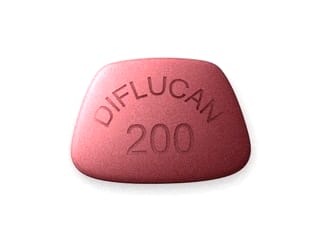
- Active ingredients
- Fluconazole
- Manufacturer
- Pfizer
- Dosage forms
- capsule , oral suspension
- Category
- Antifungal Medications
What is it?
Diflucan is the original brand of fluconazole, marketed by Pfizer since its approval in 1990. It is supplied as oral capsules at 50mg, 100mg, 150mg and 200mg, and as oral suspension and parenteral solution. Diflucan is dispensed both with and without prescription depending on the indication and country, with single-dose 150mg capsules for vulvovaginal candidiasis available over the counter in many markets. It is part of the World Health Organization List of Essential Medicines.
Active ingredients
Each capsule contains fluconazole as the sole active ingredient at 50mg, 100mg, 150mg or 200mg. Fluconazole is a triazole antifungal that inhibits fungal cytochrome P450-dependent ergosterol synthesis, producing cell membrane dysfunction and growth inhibition.
Forms and dosages
Diflucan is administered orally with or without food. According to the prescribing information, the usual adult dose ranges from 50mg to 400mg daily depending on the indication and severity. A single oral dose of 150mg is used for uncomplicated vulvovaginal candidiasis. Higher doses (400-800mg daily) are used for invasive candidiasis or cryptococcal meningitis consolidation. Substantial dose reduction is required in significant renal impairment.
Indications
Diflucan is approved in adults and children for the treatment of vulvovaginal candidiasis, oropharyngeal and oesophageal candidiasis, urinary tract candidiasis, peritonitis and other invasive candidiasis caused by susceptible species, including candidaemia, and for cryptococcal meningitis (induction with amphotericin B and flucytosine, then consolidation and maintenance with fluconazole). It is also used for prophylaxis in immunocompromised patients undergoing chemotherapy or transplantation.
How it works
Fluconazole is a triazole antifungal that inhibits the cytochrome P450-dependent enzyme lanosterol 14-alpha-demethylase, blocking the synthesis of ergosterol from lanosterol. Ergosterol is an essential component of the fungal cell membrane, so depletion produces membrane dysfunction and growth inhibition. Fluconazole has activity against most Candida species (with reduced susceptibility in C. glabrata and C. krusei) and Cryptococcus neoformans.
Frequently asked questions
When is single-dose Diflucan appropriate for vaginal candidiasis? ▾
Uncomplicated acute vulvovaginal candidiasis in non-pregnant immunocompetent women generally responds to a single oral dose of Diflucan 150mg, with comparable efficacy to longer courses of topical antifungals. According to international guidelines, this regimen is widely used. Recurrent (four or more episodes per year), severe or complicated candidiasis requires longer regimens and evaluation by a clinician, often with confirmatory species identification.
What are the main drug interactions? ▾
Fluconazole is a moderate CYP2C9 and CYP3A4 inhibitor, with clinically relevant interactions including increased concentrations of warfarin (with bleeding risk), phenytoin, sulfonylureas, ciclosporin, tacrolimus, statins and several other drugs. It can also prolong the QT interval, increasing the risk when combined with other QT-prolonging drugs. According to the prescribing information, the medication list must be reviewed by a clinician before any prescription.
Is Diflucan safe in pregnancy? ▾
Single-dose Diflucan 150mg has been used for vaginal candidiasis without consistent evidence of harm, but high-dose long-term fluconazole during pregnancy has been associated with birth defects. According to several regulatory communications, single-dose Diflucan should be avoided when possible during pregnancy in favour of topical antifungals, and high doses are contraindicated. The medical history must be reviewed by a clinician before any prescription.
Why is Diflucan used in cryptococcal meningitis? ▾
Fluconazole achieves high concentrations in the cerebrospinal fluid (about 80% of plasma) and is active against Cryptococcus neoformans, making Diflucan useful for the consolidation and maintenance phases of cryptococcal meningitis treatment. According to international guidelines, induction is with amphotericin B (preferably liposomal) plus flucytosine, followed by consolidation with Diflucan at high doses, then long-term maintenance to prevent relapse.
What are the main contraindications for Diflucan? ▾
Diflucan is contraindicated in known hypersensitivity to fluconazole or other azoles, in concurrent use with several QT-prolonging or strongly metabolised drugs (e.g. terfenadine, cisapride, pimozide and others depending on dose). Caution is required in renal and hepatic impairment, in QT prolongation, in pregnancy (high doses) and breastfeeding. According to the prescribing information, the medical history must be reviewed by a clinician before any prescription.
Sources
This page is compiled from the official prescribing information for Fluconazole. The links below open a search for that active ingredient in each register, so you always reach the current version of the label rather than a cached copy.
The information on this website is provided for reference and educational purposes only. It does not replace consultation with a qualified healthcare professional.