Cymbalta (Duloxetine)
Cymbalta is the brand of duloxetine delayed-release capsules, an SNRI used for major depression, generalised anxiety, diabetic neuropathic pain and fibromyalgia. It is widely chosen when both mood and pain require treatment.
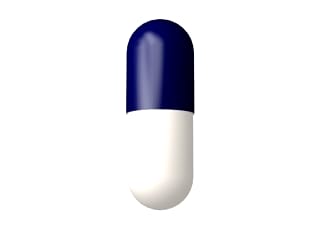
- Active ingredients
- Duloxetine
- Manufacturer
- Eli Lilly
- Dosage forms
- capsule
- Category
- Anti-Depressants
What is it?
Cymbalta is the originator brand of duloxetine, marketed by Eli Lilly since FDA approval in 2004. It is one of the most widely prescribed SNRIs and occupies a useful niche where mood and pain symptoms overlap, since SNRIs treat both via the same mechanism more effectively than SSRIs. Authorised generic duloxetine has been available since 2013 and is clinically equivalent at standard doses.
Active ingredients
Each Cymbalta capsule contains duloxetine hydrochloride in a delayed-release pellet formulation. Duloxetine is an SNRI that inhibits both serotonin and norepinephrine reuptake. The 20mg, 30mg and 60mg strengths cover initiation, maintenance and target dosing for the various indications. The active substance is identical between Cymbalta and authorised generics.
Forms and dosages
Cymbalta is supplied as opaque, two-toned delayed-release capsules. The recommended target dose for most indications is 60mg once daily; some users start at 30mg for the first week to improve tolerability before titrating up. For chronic pain indications, doses of 60–120mg daily are used. Capsules must be swallowed whole — never opened, crushed or chewed — because this destroys the enteric coating and exposes the active ingredient to gastric acid.
Indications
Cymbalta is approved for major depressive disorder, generalised anxiety disorder, diabetic peripheral neuropathic pain, fibromyalgia and chronic musculoskeletal pain. According to clinical guidelines, it is generally first-line when depression and pain coexist, and it is one of the preferred first-line agents for fibromyalgia and diabetic neuropathy regardless of mood symptoms.
How it works
Cymbalta inhibits the reuptake of both serotonin and norepinephrine at the synapse. The dual monoamine action contributes to antidepressant effect over 4–6 weeks and to analgesic effect via descending pain modulation pathways in the spinal cord — pain relief can appear within 1–2 weeks even before mood improves. The dopamine effect is weak compared with bupropion.
Frequently asked questions
How quickly does Cymbalta work? ▾
For depression and anxiety, partial response within 2 weeks and fuller response over 4–6 weeks. For pain indications, relief typically appears within 1–2 weeks even before mood improves. According to clinical guidelines, Cymbalta should not be judged ineffective for depression before 4–6 weeks at an adequate dose.
Why can't I open Cymbalta capsules? ▾
Cymbalta capsules contain delayed-release pellets with an enteric coating that protects duloxetine from gastric acid. Opening or crushing the capsule destroys the coating, exposes the active ingredient to acid degradation and changes the absorption profile. Capsules must be swallowed whole.
What are the most common side effects of Cymbalta? ▾
Common side effects include nausea (most prominent in the first 1–2 weeks), dry mouth, sleep disturbance, fatigue, increased sweating and sexual dysfunction. Most improve as the body adjusts. Mild blood pressure increase can occur and is monitored periodically.
How is Cymbalta different from an SSRI? ▾
Cymbalta is an SNRI, blocking both serotonin and norepinephrine reuptake, while SSRIs target only serotonin. The dual action gives Cymbalta an analgesic effect on neuropathic and musculoskeletal pain that SSRIs largely lack. According to clinical guidelines, it is preferred when depression and pain coexist.
Can Cymbalta cause liver problems? ▾
Cymbalta carries a label warning about hepatotoxicity, particularly with heavy alcohol use, pre-existing liver disease or hepatic impairment. According to the prescribing information, baseline and periodic liver function tests are sensible in users with risk factors. Persistent jaundice or new abdominal pain warrants prompt evaluation.
Related medications


Sources
This page is compiled from the official prescribing information for Duloxetine. The links below open a search for that active ingredient in each register, so you always reach the current version of the label rather than a cached copy.
The information on this website is provided for reference and educational purposes only. It does not replace consultation with a qualified healthcare professional.