Crestor (Rosuvastatin) Oral Tablets
Crestor is a prescription oral high-intensity statin containing rosuvastatin. It is used in adults for primary and secondary prevention of cardiovascular disease, with substantial reduction of LDL cholesterol and major cardiovascular events.
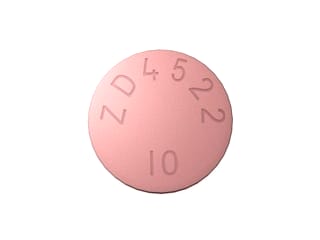
- Active ingredients
- Rosuvastatin
- Manufacturer
- AstraZeneca
- Dosage forms
- tablet
- Category
- Cardiovascular Medications
What is it?
Crestor is the original brand name for rosuvastatin, marketed by AstraZeneca. It was approved by the United States Food and Drug Administration in 2003 and is supplied as oral tablets at multiple strengths. Crestor is dispensed only on prescription. Multiple authorised generics of rosuvastatin are available worldwide. The molecule is one of the most potent statins on a per-milligram basis and is widely used for routine cardiovascular prevention strategies.
Active ingredients
Each tablet contains rosuvastatin (as calcium) as the sole active ingredient at 5mg, 10mg, 20mg or 40mg. Rosuvastatin is an HMG-CoA reductase inhibitor (statin) and is classified as a high-intensity statin at higher doses, capable of reducing LDL cholesterol by approximately 50% or more.
Forms and dosages
Crestor is administered orally once daily, with or without food. According to the prescribing information, the usual starting dose is 10mg once daily, with possible titration up to 40mg in selected high-risk patients. In patients of Asian ancestry the recommended starting dose is 5mg once daily because of higher systemic exposure, and lower doses are used in severe renal impairment. Tablets are swallowed whole with water at a consistent time of day.
Indications
Crestor is approved in adults for the treatment of primary hypercholesterolaemia and mixed dyslipidaemia, for the prevention of cardiovascular events in patients at elevated risk and for the secondary prevention of cardiovascular events. It is also approved in paediatric populations from age 6 with familial hypercholesterolaemia in some markets, under specialist supervision. According to international guidelines, the choice of dose depends on baseline risk and target LDL.
How it works
Rosuvastatin competitively inhibits HMG-CoA reductase, the rate-limiting enzyme in hepatic cholesterol synthesis. The reduction in intracellular cholesterol upregulates LDL receptors and increases clearance of circulating LDL. Pleiotropic effects on endothelial function, inflammation and plaque stability contribute to cardiovascular protection. Rosuvastatin is more hydrophilic than many other statins, which may influence tissue distribution and the side-effect profile.
Frequently asked questions
How is Crestor different from Lipitor? ▾
Both are high-intensity statins, but Crestor (rosuvastatin) is more hydrophilic, has a longer half-life of about 19 hours and is excreted mostly unchanged in faeces, while Lipitor (atorvastatin) is more lipophilic and metabolised mainly by CYP3A4. Rosuvastatin is approximately three to four times more potent on a per-milligram basis. According to international guidelines, both are first-line in high-risk patients.
Why are starting doses lower in Asian patients? ▾
Pharmacokinetic studies have shown that systemic exposure to rosuvastatin is approximately twice as high in patients of Asian descent at the same dose, due to genetic differences in transporter activity. The prescribing information recommends a lower starting dose of 5mg in patients of Asian ancestry, with cautious titration. According to the prescribing information, the medical history including ethnicity should be reviewed by the prescriber.
Should Crestor be taken at a specific time? ▾
Crestor can be taken at any time of day, with or without food, because its long half-life provides sustained inhibition of cholesterol synthesis throughout the 24-hour cycle. According to the prescribing information, consistency is the most important factor — taking the dose at the same time each day improves adherence and supports stable lipid control.
Is Crestor safe in kidney disease? ▾
Mild to moderate renal impairment does not require routine dose adjustment, but rosuvastatin clearance decreases in severe renal impairment, where the dose is limited and starting from the lower strengths is recommended in the prescribing information. Asymptomatic transient proteinuria can occur, more frequently at high doses. Patients with severe renal impairment require periodic monitoring of renal function and creatine kinase under medical supervision.
What are the main contraindications for Crestor? ▾
Crestor is contraindicated in known hypersensitivity to rosuvastatin, in active liver disease or unexplained persistent elevation of serum transaminases, in severe renal impairment for the higher doses defined in the prescribing information, in concomitant ciclosporin therapy at full doses, and during pregnancy and breastfeeding. According to the prescribing information, the medical history must be reviewed by a clinician before any prescription.
Related medications


Sources
This page is compiled from the official prescribing information for Rosuvastatin. The links below open a search for that active ingredient in each register, so you always reach the current version of the label rather than a cached copy.
The information on this website is provided for reference and educational purposes only. It does not replace consultation with a qualified healthcare professional.