Claritin (Loratadine) Allergy Tablets
Claritin is an over-the-counter or prescription oral antihistamine containing loratadine. It is used in adults and children for allergic rhinitis and urticaria, with minimal sedation at standard daily dosing.
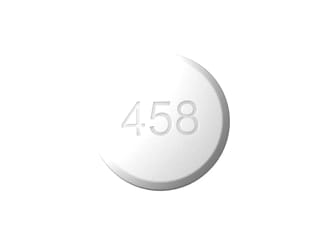
- Active ingredients
- Loratadine
- Manufacturer
- Bayer
- Dosage forms
- tablet , oral syrup , orodispersible tablet
- Category
- Allergy and Antihistamines
What is it?
Claritin is the original brand name for loratadine, marketed by Bayer (originally Schering-Plough). It was approved by the United States Food and Drug Administration in 1993 and is supplied as oral tablets, orally disintegrating tablets and oral syrup. Depending on the country, Claritin is sold over the counter or only with prescription. Multiple authorised generics of loratadine are available worldwide.
Active ingredients
Each tablet contains loratadine as the sole active ingredient at 5mg or 10mg. Loratadine is a second-generation H1 antihistamine with very low central nervous system penetration, supporting once-daily dosing with minimal sedation. The active metabolite desloratadine is also marketed under different brand names.
Forms and dosages
Claritin is administered orally once daily with or without food. According to the prescribing information, the usual adult and adolescent dose is 10mg once daily. Paediatric dosing is age and weight-based; oral syrup and orodispersible formulations facilitate accurate paediatric administration. Hepatic impairment may require dose adjustment with a longer dosing interval in significant impairment.
Indications
Claritin is approved in adults and children for the treatment of seasonal and perennial allergic rhinitis and chronic idiopathic urticaria. According to international guidelines, it is one of the recommended second-generation antihistamines for first-line treatment of these conditions. Claritin is not the first-line treatment for severe asthma or anaphylaxis.
How it works
Loratadine selectively blocks peripheral H1 histamine receptors, antagonising histamine effects during allergic reactions. The result is reduced vasodilation, decreased capillary permeability, suppression of pruritus and limitation of urticarial responses. Very low central penetration explains its minimal sedative profile, and high selectivity over muscarinic and adrenergic receptors limits anticholinergic effects.
Frequently asked questions
How is Claritin different from Zyrtec? ▾
Both are second-generation antihistamines, but Claritin (loratadine) has even less central penetration and produces less sedation than Zyrtec (cetirizine) on average. Zyrtec may have a faster onset of action and slightly stronger effect on chronic urticaria in some studies. The choice between them is often a matter of individual tolerability and response. Both are recommended first-line options in international guidelines.
Does Claritin cause drowsiness? ▾
Claritin is one of the antihistamines with the lowest reported sedation in adults at the standard 10mg daily dose. Mild somnolence is uncommon but can occur, particularly in slow metabolisers or when combined with alcohol. According to the prescribing information, patients should be cautious about driving or operating machinery until they know how the medication affects them, especially during the first days of treatment.
Can Claritin be taken every day? ▾
Yes. Claritin is approved for daily use in chronic allergic rhinitis and chronic urticaria. According to the prescribing information, daily dosing is well tolerated for prolonged periods. Periodic reassessment with the prescriber is still recommended, particularly when symptoms change, other treatments are added or hepatic function changes.
Can children take Claritin? ▾
Yes, in age- and weight-based dosing. Claritin is approved in children from age two in some markets, with a graduated dose schedule defined in the prescribing information. Liquid formulations facilitate accurate paediatric dosing. According to clinical guidelines, paediatric prescribing should be discussed with a paediatrician or pharmacist, particularly in chronic conditions or in young children with hepatic impairment.
What are the main contraindications for Claritin? ▾
Claritin is contraindicated in known hypersensitivity to loratadine or its excipients. Caution is required in significant hepatic impairment, where dose adjustment is needed. Use during pregnancy and breastfeeding should be discussed with the prescriber. According to the prescribing information, the medical history must be reviewed by a clinician before any prescription, particularly when other allergy or CNS-active medications are already being taken.
Related medications


Sources
This page is compiled from the official prescribing information for Loratadine. The links below open a search for that active ingredient in each register, so you always reach the current version of the label rather than a cached copy.
The information on this website is provided for reference and educational purposes only. It does not replace consultation with a qualified healthcare professional.