Celexa (Citalopram)
Celexa is the original brand of citalopram, the SSRI antidepressant from which escitalopram (Lexapro) was later developed. Authorised generic citalopram dominates current prescribing; modern dosing is capped at 40mg daily because of dose-related QT prolongation.
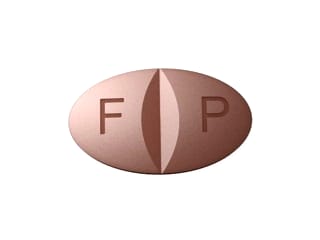
- Active ingredients
- Citalopram
- Manufacturer
- Forest Laboratories / AbbVie
- Dosage forms
- tablet
- Category
- Anti-Depressants
What is it?
Celexa is the brand name under which Forest Laboratories (now AbbVie) marketed citalopram in the United States; it has been sold as Cipramil in Europe by Lundbeck. FDA-approved in 1998, citalopram is the racemic mixture of two mirror-image enantiomers, of which the S-enantiomer (escitalopram, Lexapro) was later isolated and marketed as a more potent successor. Authorised generic citalopram has been widely available since 2004 and dominates current prescribing; Celexa-branded tablets remain a recognisable name in the US.
Active ingredients
Each Celexa tablet contains 10mg, 20mg or 40mg of citalopram hydrobromide. The active substance is identical between branded Celexa and authorised generic citalopram tablets, with bioequivalence required by the regulator. Citalopram is the most selective of the SSRIs for the serotonin reuptake transporter over the noradrenaline transporter.
Forms and dosages
Celexa is supplied as oral tablets in 10, 20 and 40mg strengths. Depression typically starts at 20mg once daily, titrated to 20–40mg based on response and tolerability. Adults over 60 and CYP2C19 poor metabolisers are limited to 20mg/day because of dose-related QT prolongation. Take in the morning or at bedtime according to side-effect tolerability; food does not significantly affect absorption.
Indications
Celexa is approved for major depressive disorder. It is widely used off-label for generalised anxiety disorder, panic disorder, social anxiety, post-traumatic stress disorder, obsessive-compulsive disorder and premenstrual dysphoric disorder. According to current depression guidelines, citalopram is one of the first-line SSRIs along with sertraline and escitalopram, with selection based on patient factors and prescriber familiarity.
How it works
Citalopram selectively inhibits the serotonin reuptake transporter, increasing synaptic serotonin availability with limited affinity for noradrenaline transporters or other receptors. This combination of selectivity and clean off-target profile means Celexa has fewer drug interactions than older antidepressants. Therapeutic effect develops over 4–6 weeks of continuous dosing. The 35-hour half-life supports stable once-daily dosing and produces a milder discontinuation syndrome than paroxetine or venlafaxine.
Frequently asked questions
Is Celexa or Lexapro better? ▾
Lexapro (escitalopram) is the active S-enantiomer of citalopram and is approximately twice as potent on a milligram basis (10mg escitalopram ≈ 20mg citalopram). Some studies suggest slightly better efficacy and tolerability with escitalopram, but the difference is small. According to current depression guidelines, both are first-line; choice depends on cost, prescriber familiarity and patient response.
Why is the Celexa dose limited to 40mg? ▾
A 2011 FDA safety review found dose-related QT prolongation at higher doses, especially above 40mg/day. The maximum recommended dose was reduced to 40mg/day (20mg/day in adults over 60 and CYP2C19 poor metabolisers). According to the prescribing information, doses exceeding the limit do not provide additional benefit but increase arrhythmia risk.
How long does Celexa take to work? ▾
Some symptoms (sleep, appetite, anxiety) may improve within 1–2 weeks; full antidepressant effect develops over 4–6 weeks of continuous dosing. Patients are typically reviewed at 4–6 weeks to judge response and decide whether to continue, increase the dose or switch to another agent. Stopping early is a common reason for relapse.
Does Celexa cause discontinuation symptoms? ▾
Citalopram has a moderate half-life (~35 hours) and most users can taper gradually with limited or no discontinuation symptoms. According to clinical practice, discontinuation is milder than with paroxetine or venlafaxine but more pronounced than with fluoxetine. Tapering over 1–4 weeks is recommended when possible.
Is Celexa the same as generic citalopram? ▾
Yes — Celexa and authorised generic citalopram tablets contain the same active ingredient at the same strengths and have demonstrated bioequivalence. The generic is significantly cheaper and clinically equivalent in nearly all cases. The Celexa trademark survives mainly in the United States; in Europe the molecule is most familiar under the Cipramil brand.
Related medications


Sources
This page is compiled from the official prescribing information for Citalopram. The links below open a search for that active ingredient in each register, so you always reach the current version of the label rather than a cached copy.
The information on this website is provided for reference and educational purposes only. It does not replace consultation with a qualified healthcare professional.