Buspar (Buspirone) Oral Tablets
Buspar is a prescription oral non-benzodiazepine anxiolytic containing buspirone. It is used in adults for generalised anxiety disorder, with minimal sedation, no muscle relaxation and a low risk of dependence.
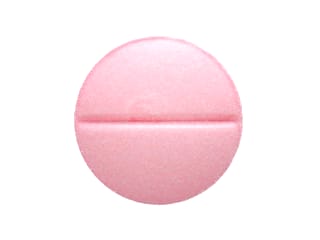
- Active ingredients
- Buspirone
- Manufacturer
- Bristol-Myers Squibb
- Dosage forms
- tablet
- Category
- Anti-anxiety Medications
What is it?
Buspar is the original brand name for buspirone, marketed by Bristol-Myers Squibb and approved in the United States in 1986. It is supplied as scored oral tablets at multiple strengths, with several authorised generics on the market. Unlike benzodiazepines, Buspar does not bind to GABA-A receptors and does not produce sedation, muscle relaxation or anticonvulsant effects, which makes it a useful option for chronic anxiety in patients who require minimal sedation.
Active ingredients
Each tablet contains buspirone hydrochloride as the sole active ingredient, supplied at 5mg, 7.5mg, 10mg, 15mg or 30mg. Buspirone is an azapirone that acts as a partial agonist at serotonin 5-HT1A receptors and a weak antagonist at dopamine D2 receptors.
Forms and dosages
Buspar is administered orally, typically two or three times daily. According to the prescribing information, treatment usually starts at 7.5mg twice daily and can be increased every two to three days by 5mg per day, up to a typical maximum of 60mg per day, divided. Tablets should be taken consistently with or without food in the same way each day, because food increases bioavailability. Grapefruit juice should be avoided as it inhibits CYP3A4 and raises buspirone exposure.
Indications
Buspar is approved in adults for the management of anxiety disorders and the short-term relief of anxiety symptoms. According to international guidelines, it is most useful in patients who require sustained anxiolytic effect without sedation or risk of dependence, including those with substance use history. Buspar is not indicated for acute panic attacks, primary depression or severe psychiatric disorders without specialist supervision, and is not used as a single agent for severe agitation.
How it works
Buspirone is a partial agonist at the serotonin 5-HT1A receptor and a weak antagonist at dopamine D2 receptors. By stimulating presynaptic 5-HT1A autoreceptors, it modulates serotonergic neurotransmission in regions involved in anxiety, including the dorsal raphe nucleus, hippocampus and amygdala. Clinical effects develop gradually over one to two weeks, in line with serotonergic adaptation, which distinguishes Buspar from rapidly acting benzodiazepines.
Frequently asked questions
How long does Buspar take to work? ▾
Buspar does not produce immediate anxiolytic effects. Clinical improvement usually appears after one to two weeks of continuous treatment, with maximum effect after several weeks. According to the prescribing information, this profile suits chronic generalised anxiety disorder rather than the acute relief of panic attacks, where benzodiazepines or other approaches may be considered.
Does Buspar cause dependence? ▾
Buspar has not been associated with significant tolerance, dependence or withdrawal symptoms in standard clinical use, and it does not produce euphoria. This is one of the main advantages over benzodiazepines, particularly in patients with previous substance use disorders. According to the prescribing information, abrupt discontinuation does not typically require a tapering schedule, although continuation should still be reassessed by the prescriber.
Can Buspar be combined with antidepressants? ▾
Yes, in many cases. Buspar is sometimes added to selective serotonin reuptake inhibitors or serotonin-noradrenaline reuptake inhibitors as augmentation in generalised anxiety disorder or treatment-resistant depression. The combination requires medical supervision because of the theoretical risk of serotonin syndrome. According to the prescribing information, monoamine oxidase inhibitors and other strongly serotonergic agents are contraindicated.
Why should grapefruit juice be avoided with Buspar? ▾
Grapefruit juice inhibits the cytochrome enzyme CYP3A4, which is responsible for the extensive first-pass metabolism of buspirone. As a result, plasma concentrations and the risk of side effects can rise substantially when the two are combined. According to the prescribing information, consistent grapefruit consumption should be avoided, and any planned change in diet should be discussed with the prescriber.
What are the main contraindications for Buspar? ▾
Buspar is contraindicated in known hypersensitivity to buspirone and in concurrent use with monoamine oxidase inhibitors, including in the two weeks following discontinuation of an MAOI. Caution is required in severe hepatic or renal impairment and in patients receiving strong CYP3A4 inhibitors. According to the prescribing information, the medical history and current medication list must be reviewed by a clinician before any prescription.
Related medications


Sources
This page is compiled from the official prescribing information for Buspirone. The links below open a search for that active ingredient in each register, so you always reach the current version of the label rather than a cached copy.
The information on this website is provided for reference and educational purposes only. It does not replace consultation with a qualified healthcare professional.