Ativan (Lorazepam) Oral Tablets
Ativan is a prescription oral benzodiazepine containing lorazepam. It is used in adults for the short-term management of anxiety, anxiety-related insomnia and, by injection, for status epilepticus and pre-anaesthetic sedation.
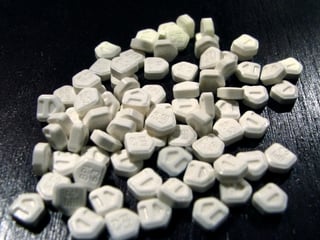
- Active ingredients
- Lorazepam
- Manufacturer
- Pfizer
- Dosage forms
- tablet , oral concentrate , injection
- Category
- Anti-anxiety Medications
What is it?
Ativan is the original brand name for lorazepam, marketed by Pfizer (originally Wyeth). It is supplied as scored oral tablets, oral concentrate and a parenteral solution for intramuscular and intravenous use, with multiple authorised generics on the market. Ativan is dispensed only on prescription because of its potential for misuse and dependence. Lorazepam has the advantage of glucuronide metabolism that does not depend on cytochrome P450, which is relevant in older adults and in hepatic disease.
Active ingredients
Each tablet contains lorazepam as the sole active ingredient at strengths of 0.5mg, 1mg or 2mg. Lorazepam is a 1,4-benzodiazepine that binds the benzodiazepine site of the GABA-A receptor.
Forms and dosages
Ativan tablets are administered orally with or without food, two to three times daily as prescribed. According to the prescribing information, the usual oral dose for anxiety is 1mg to 4mg per day in divided doses, individualised by the prescriber. Sublingual administration is approved in some markets. Intravenous and intramuscular forms are reserved for hospital use, including status epilepticus and pre-anaesthetic sedation, and require monitoring of respiration and blood pressure.
Indications
Ativan is approved in adults for the short-term management of anxiety disorders and anxiety-related insomnia. The injectable form is also approved for the acute treatment of status epilepticus and for pre-anaesthetic sedation. According to clinical guidelines, anxiety prescriptions should be limited to short-term use at the lowest effective dose. Ativan is not indicated for primary depression or for chronic insomnia outside specialist contexts.
How it works
Lorazepam binds the benzodiazepine site of the GABA-A receptor and allosterically enhances inhibitory chloride conductance. The increased hyperpolarisation of neurons in the cortex, limbic system, brainstem and spinal cord produces anxiolytic, sedative, hypnotic, anticonvulsant and muscle-relaxant effects. The terminal half-life of 10 to 20 hours supports two to three daily doses for most indications, with steady state reached within several days.
Frequently asked questions
How long does Ativan take to work? ▾
Ativan tablets typically begin to take effect within 30 to 60 minutes after oral administration, with peak plasma concentrations reached in one to two hours. The intravenous form acts within minutes. According to the prescribing information, onset can be perceived as relief of anxiety symptoms during this period. Subjective effects are influenced by dose, individual sensitivity and concomitant medications.
How is Ativan different from Xanax? ▾
Both contain benzodiazepines that act on the GABA-A receptor, but Ativan (lorazepam) has a longer half-life of 10 to 20 hours and is metabolised by glucuronidation, with no major involvement of cytochrome P450. Xanax (alprazolam) has a shorter half-life and depends on CYP3A4. Ativan is therefore often preferred in elderly patients, hepatic disease or polypharmacy. The choice between them is made by the prescriber based on indication and individual context.
Can Ativan be combined with opioids? ▾
Combining benzodiazepines such as Ativan with opioids significantly increases the risk of severe sedation, respiratory depression, accidents and overdose. Several agencies have warned that this combination is a major contributor to overdose mortality. According to the prescribing information, concurrent use should be avoided whenever possible, and when both are necessary, the lowest effective doses and shortest duration should be used under medical supervision.
How should Ativan be discontinued? ▾
After short-term use, Ativan can be discontinued without significant difficulty. After prolonged use, abrupt discontinuation may cause withdrawal symptoms including rebound anxiety, insomnia, tremor and, rarely, seizures. According to the prescribing information, gradual tapering over weeks to months under medical supervision is preferred, with the schedule individualised to dose, duration and patient response.
What are the main contraindications for Ativan? ▾
Ativan is contraindicated in known hypersensitivity to benzodiazepines, in severe respiratory insufficiency, in narrow-angle glaucoma, in sleep apnoea syndrome and in severe hepatic insufficiency. Caution is required in older adults, in patients with substance use disorders and during pregnancy and breastfeeding. According to the prescribing information, the medical history must be reviewed by a clinician before any prescription.
Related medications


Sources
This page is compiled from the official prescribing information for Lorazepam. The links below open a search for that active ingredient in each register, so you always reach the current version of the label rather than a cached copy.
The information on this website is provided for reference and educational purposes only. It does not replace consultation with a qualified healthcare professional.