Amoxil (Amoxicillin) Antibiotic Capsules
Amoxil is a prescription oral aminopenicillin antibiotic containing amoxicillin. It is used in adults and children for respiratory tract infections, urinary tract infections, otitis media, dental infections and as part of Helicobacter pylori eradication regimens.
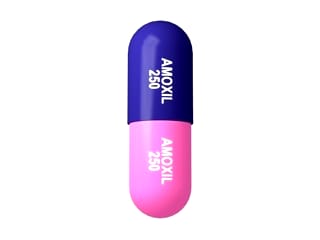
- Active ingredients
- Amoxicillin
- Manufacturer
- GlaxoSmithKline
- Dosage forms
- capsule , oral suspension , chewable tablet
- Category
- Antibiotics
What is it?
Amoxil is one of the original brands of amoxicillin, marketed by GlaxoSmithKline since the 1970s. It is supplied as oral capsules, oral suspension, chewable tablets and oral drops. Multiple authorised generics of amoxicillin are widely available worldwide, and the molecule is part of the World Health Organization List of Essential Medicines.
Active ingredients
Each capsule contains amoxicillin trihydrate as the sole active ingredient at 250mg or 500mg. Amoxicillin is a semisynthetic aminopenicillin beta-lactam antibiotic, derived from ampicillin with improved oral absorption.
Forms and dosages
Amoxil is administered orally with or without food. According to the prescribing information, the usual adult dose is 250-500mg every 8 hours or 500-875mg every 12 hours, depending on the indication and severity of infection. Paediatric dosing is weight-based, typically 25-50mg per kilogram per day in divided doses. Dose reduction is required in significant renal impairment.
Indications
Amoxil is approved in adults and children for the treatment of respiratory tract infections including community-acquired pneumonia, acute otitis media, sinusitis, pharyngitis caused by Streptococcus pyogenes, urinary tract infections, dental infections, skin and soft tissue infections and as part of triple-therapy regimens for Helicobacter pylori eradication. According to international guidelines, amoxicillin is recommended as first-line therapy for many of these indications.
How it works
Amoxicillin inhibits bacterial cell wall synthesis by binding to penicillin-binding proteins (PBPs) and blocking the cross-linking of peptidoglycan strands. This leads to cell wall instability and bacterial lysis. Amoxicillin is bactericidal and active against many Gram-positive and some Gram-negative organisms, although bacteria producing beta-lactamase are resistant unless co-administered with a beta-lactamase inhibitor.
Frequently asked questions
How long does an amoxicillin course usually last? ▾
Course length depends on the indication. According to clinical guidelines, typical courses are 5 to 7 days for uncomplicated respiratory infections, 7 to 10 days for streptococcal pharyngitis, and longer for some specialised indications such as endocarditis prophylaxis or H. pylori eradication. The full prescribed course should be completed even if symptoms improve, to reduce the risk of relapse and resistance.
Can I drink alcohol while taking Amoxil? ▾
Moderate alcohol intake does not directly interact with amoxicillin in the same way as some antibiotics like metronidazole, but alcohol can worsen gastrointestinal side effects and slow recovery from the underlying infection. According to the prescribing information, patients with significant alcohol use should discuss this with the prescriber, and avoidance is generally recommended during acute infection.
What if I miss a dose? ▾
If a dose is missed, take it as soon as it is remembered, unless it is almost time for the next scheduled dose. In that case, skip the missed dose and continue with the regular schedule. Do not double the dose to compensate. According to the prescribing information, regular dosing intervals are important for maintaining therapeutic plasma concentrations and reducing the risk of resistance.
Can children take Amoxil? ▾
Yes. Amoxil is widely used in paediatrics, with weight-based dosing defined in the prescribing information. Oral suspension and chewable tablets facilitate paediatric administration. According to international guidelines, amoxicillin is the first-line antibiotic for many paediatric infections including acute otitis media and pneumonia, in the absence of penicillin allergy.
What are the main contraindications for Amoxil? ▾
Amoxil is contraindicated in known hypersensitivity to amoxicillin, other penicillins or other beta-lactam antibiotics. Caution is required in patients with previous antibiotic-associated colitis, severe renal impairment and infectious mononucleosis (where rash is common). According to the prescribing information, the medical history must be reviewed by a clinician before any prescription, particularly the history of drug allergies.
Related medications


Sources
This page is compiled from the official prescribing information for Amoxicillin. The links below open a search for that active ingredient in each register, so you always reach the current version of the label rather than a cached copy.
The information on this website is provided for reference and educational purposes only. It does not replace consultation with a qualified healthcare professional.