Ambien (Zolpidem) Oral Tablets
Ambien is a prescription oral non-benzodiazepine hypnotic containing zolpidem. It is used in adults for the short-term treatment of insomnia, with a rapid onset and a short half-life suited to sleep induction.
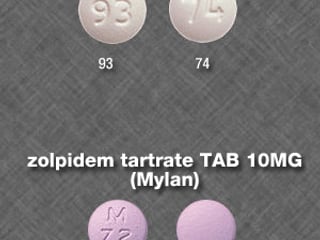
- Active ingredients
- Zolpidem
- Manufacturer
- Sanofi
- Dosage forms
- tablet , controlled-release tablet
- Category
- Sleep Aids and Hypnotics
What is it?
Ambien is the original brand name for zolpidem, marketed by Sanofi (originally Searle and Sanofi-Aventis). It was approved by the United States Food and Drug Administration in 1992. The product is supplied as immediate-release tablets and as controlled-release (Ambien CR) tablets, with multiple authorised generics on the market. Ambien is dispensed only on prescription and is intended for short-term management of sleep-onset insomnia.
Active ingredients
Each immediate-release tablet contains zolpidem tartrate as the sole active ingredient at 5mg or 10mg. The controlled-release formulation is supplied at 6.25mg or 12.5mg and is designed for both sleep onset and sleep maintenance. Zolpidem is a non-benzodiazepine imidazopyridine hypnotic that selectively potentiates the alpha-1 subunit of the GABA-A receptor.
Forms and dosages
Ambien is administered orally immediately before going to bed, with at least seven to eight hours of expected sleep time. According to the prescribing information, the recommended starting dose is 5mg in women and 5 to 10mg in men, taken on an empty stomach. The controlled-release formulation is started at 6.25mg in women and 6.25 to 12.5mg in men. Tablets are not crushed, split or chewed for the controlled-release product.
Indications
Ambien is approved in adults for the short-term treatment of insomnia, typically when difficulty falling asleep or maintaining sleep is associated with daytime impairment. According to international guidelines, prescription should be limited to two to four weeks, with periodic reassessment, and cognitive-behavioural therapy for insomnia is recommended as the first-line approach for chronic insomnia where available. Ambien is not indicated for paediatric populations.
How it works
Zolpidem is a positive allosteric modulator of the GABA-A receptor with relative selectivity for the alpha-1 subunit, which is associated with sedation and sleep induction. Increased chloride conductance hyperpolarises neurons in cortical and thalamic regions related to sleep onset. Onset of sedation is typically within 15 to 30 minutes, with a half-life of about 2.5 hours that limits next-day residue when the medication is taken at bedtime.
Frequently asked questions
How quickly does Ambien work? ▾
Ambien typically begins to take effect within 15 to 30 minutes of an immediate-release tablet on an empty stomach, with peak plasma concentration reached at 30 to 90 minutes. According to the prescribing information, the medication should be taken immediately before going to bed, with at least seven to eight hours of expected sleep time, to limit next-day sedation.
Are complex sleep behaviours common with Ambien? ▾
Complex sleep behaviours such as sleep-walking, sleep-eating, telephoning or driving while not fully awake have been reported, mostly in patients also using alcohol, other CNS depressants or higher than recommended doses. Although uncommon, they can have serious consequences. According to regulatory communications, any episode of complex sleep behaviour is a contraindication to continued Ambien use.
Can Ambien be taken every night long-term? ▾
Most clinical guidelines recommend short-term use of Ambien, typically two to four weeks, because of the risk of tolerance, dependence, rebound insomnia and complex sleep behaviours. Longer use is sometimes considered in selected cases under specialist supervision and with periodic reassessment. According to the prescribing information, cognitive-behavioural therapy for insomnia is recommended as the first-line approach for chronic insomnia.
Why is Ambien dosed lower in women? ▾
Pharmacokinetic studies have shown that women clear zolpidem more slowly than men on average, leading to higher morning plasma concentrations and a greater risk of next-day driving impairment. For this reason, regulatory agencies recommend a lower starting dose in women than in men, and the prescribing information specifies sex-specific dosing for the immediate-release and controlled-release formulations.
What are the main contraindications for Ambien? ▾
Ambien is contraindicated in known hypersensitivity to zolpidem, in severe respiratory insufficiency, in obstructive sleep apnoea, in severe hepatic impairment and in patients with previous complex sleep behaviours. Caution is required in older adults, in patients with substance use disorders and during pregnancy and breastfeeding. According to the prescribing information, the medical history must be reviewed by a clinician before any prescription.
Related medications


Sources
This page is compiled from the official prescribing information for Zolpidem. The links below open a search for that active ingredient in each register, so you always reach the current version of the label rather than a cached copy.
The information on this website is provided for reference and educational purposes only. It does not replace consultation with a qualified healthcare professional.