Acyclovir Tablets and Cream for Herpes
Acyclovir is an oral, topical and parenteral nucleoside antiviral used in adults and children for herpes simplex and varicella-zoster infections. It is part of the World Health Organization List of Essential Medicines and remains a foundation of antiviral therapy.
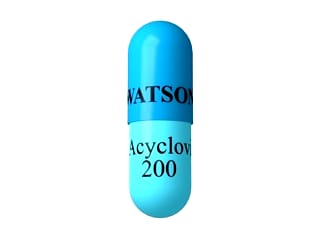
- Active ingredients
- Acyclovir
- Manufacturer
- Various
- Dosage forms
- tablet , capsule , oral suspension , topical cream
- Category
- Antiviral Medications
What is it?
Acyclovir was the first selective antiviral agent against herpesviruses, approved for clinical use in 1982. It is supplied as oral tablets, capsules, oral suspension, topical cream and ointment, ophthalmic ointment (in some markets) and parenteral solution. Multiple authorised generics are widely available worldwide. Acyclovir is part of the World Health Organization List of Essential Medicines and is dispensed both with and without prescription depending on the formulation and country.
Active ingredients
Each tablet contains acyclovir as the sole active ingredient at 200mg, 400mg or 800mg. Topical cream formulations contain 5% acyclovir. Acyclovir is a guanosine analogue selectively phosphorylated by viral thymidine kinase to its active triphosphate form, providing high selectivity for herpes simplex and varicella-zoster viruses.
Forms and dosages
Acyclovir is administered orally with or without food. According to the prescribing information, doses depend on the indication: 200mg five times daily for 5 days for genital herpes, 400-800mg five times daily for shingles, 800mg five times daily for primary varicella, and 400mg twice daily for chronic suppressive therapy of recurrent genital herpes. Substantial dose reduction is required in renal impairment. Adequate hydration is important, particularly with intravenous administration.
Indications
Acyclovir is approved in adults and children for the treatment of herpes simplex virus infections, including genital herpes (initial and recurrent episodes), suppressive therapy of recurrent genital herpes, herpes labialis, mucocutaneous herpes simplex in immunocompromised patients, and herpes simplex encephalitis (intravenous). It is also approved for primary varicella, herpes zoster (shingles) and prophylaxis of herpes simplex in immunocompromised patients undergoing transplantation or chemotherapy.
How it works
Acyclovir is a guanosine analogue selectively phosphorylated by viral thymidine kinase to its monophosphate form, then by cellular kinases to acyclovir triphosphate. The triphosphate inhibits viral DNA polymerase and is incorporated into viral DNA, causing chain termination. Selective phosphorylation by viral kinases concentrates the active form in infected cells, providing high selectivity for herpes simplex virus types 1 and 2 and varicella-zoster virus.
Frequently asked questions
How is acyclovir different from valacyclovir? ▾
Acyclovir has limited oral bioavailability (15-30%), requiring frequent dosing (up to 5 times daily for some indications). Valacyclovir is a prodrug of acyclovir with much higher oral bioavailability (around 55%), allowing twice or three times daily dosing. Clinical efficacy is comparable at equivalent acyclovir exposures. According to international guidelines, valacyclovir is preferred when adherence is a concern, with the choice made by the prescriber.
Can acyclovir cure herpes infections? ▾
No. Acyclovir suppresses viral replication during active infection but does not eradicate the latent virus, which persists in sensory ganglia for life. Treatment shortens duration of episodes, reduces viral shedding and, with daily suppressive therapy, reduces frequency of recurrences and risk of transmission. According to international guidelines, suppressive therapy may be considered for frequent recurrences and in serodiscordant couples.
When is topical acyclovir cream effective? ▾
Topical acyclovir cream is most effective when applied at the earliest signs of a cold sore (tingling, redness), before vesicles develop. According to the prescribing information, it should be applied 5 times daily for 4-5 days. The clinical benefit is modest, with reductions in healing time of around half a day. Oral antivirals are more effective for severe or frequent recurrences.
Why must the dose be reduced in kidney disease? ▾
Acyclovir is excreted predominantly unchanged in urine, so renal impairment substantially increases plasma concentrations and the risk of adverse effects, including neurotoxicity (confusion, hallucinations) and crystalluria with further nephrotoxicity. According to the prescribing information, the dose is reduced based on creatinine clearance, including in patients on dialysis where supplemental doses are given after sessions. Adequate hydration is essential.
What are the main contraindications for acyclovir? ▾
Acyclovir is contraindicated in known hypersensitivity to acyclovir or valacyclovir. Caution is required in renal impairment (with mandatory dose adjustment), in older adults, in dehydration, in concurrent nephrotoxic drugs and during pregnancy and breastfeeding. According to the prescribing information, the medical history must be reviewed by a clinician before any prescription, particularly in patients with chronic kidney disease.
Related medications


Sources
This page is compiled from the official prescribing information for Acyclovir. The links below open a search for that active ingredient in each register, so you always reach the current version of the label rather than a cached copy.
The information on this website is provided for reference and educational purposes only. It does not replace consultation with a qualified healthcare professional.