Synthroid vs Crestor: side-by-side comparison
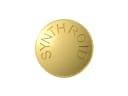
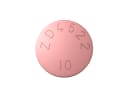
Synthroid (Hormones and Birth Control) and Crestor (Cardiovascular Medications) belong to different therapeutic classes and are rarely interchangeable. This page compares the medications' purposes, mechanisms and the situations where each is used.
| Property | Synthroid | Crestor |
|---|---|---|
| Active ingredient | Levothyroxine | Rosuvastatin |
| Manufacturer | AbbVie | AstraZeneca |
| Class | Hormones and Birth Control | Cardiovascular Medications |
| Strengths | 25mcg, 50mcg, 75mcg, 100mcg, 150mcg | 5mg, 10mg, 20mg, 40mg |
| Forms | tablet | tablet |
What's the same
Synthroid and Crestor are used in very different patients, and the points in common are limited. The main shared element is that both meet regulatory standards for efficacy and safety and benefit from pharmacist oversight.
Key differences
Synthroid belongs to Hormones and Birth Control while Crestor belongs to Cardiovascular Medications. Indications, mechanisms and target populations differ. The comparison is most useful when a clinician has mentioned both medications and the patient wants to understand where each fits.
Mechanism and action
Synthroid: Levothyroxine replaces deficient endogenous thyroxine, which is converted in tissues to the active hormone triiodothyronine (T3) by deiodinase enzymes. Crestor: Rosuvastatin competitively inhibits HMG-CoA reductase, the rate-limiting enzyme in hepatic cholesterol synthesis.
When Synthroid is preferred
Synthroid is approved for hypothyroidism of any cause (Hashimoto thyroiditis, post-thyroidectomy, post-radioiodine, congenital), goitre and TSH suppression after differentiated thyroid cancer.
When Crestor is preferred
Crestor is approved in adults for the treatment of primary hypercholesterolaemia and mixed dyslipidaemia, for the prevention of cardiovascular events in patients at elevated risk and for the secondary prevention of cardiovascular events.
Frequently asked questions
Is Synthroid or Crestor better? ▾
Synthroid and Crestor are not interchangeable — they treat different conditions. Asking which is "better" is meaningful only when a clinician has weighed both for the same specific clinical scenario.
Can I switch from Synthroid to Crestor? ▾
Switching between Synthroid and Crestor is rarely an appropriate decision since they belong to different classes and treat different conditions. The real question is usually whether the diagnosis calls for one medication or the other — which the prescriber resolves.
Do Synthroid and Crestor have the same side effects? ▾
No — they belong to different classes and have distinct side-effect profiles. Each medication has its own prescribing information.
More Synthroid comparisons
The information on this website is provided for reference and educational purposes only. It does not replace consultation with a qualified healthcare professional.