Singulair vs Ventolin: side-by-side comparison
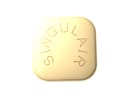
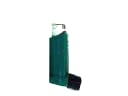
Singulair (Montelukast) and Ventolin (Albuterol) both belong to the Respiratory Medications class. They share clinical context but use different active ingredients. The choice between them depends on mechanism nuances, side-effect profile and individual response.
| Property | Singulair | Ventolin |
|---|---|---|
| Active ingredient | Montelukast | Albuterol |
| Manufacturer | Organon | GSK |
| Class | Respiratory Medications | Respiratory Medications |
| Strengths | 4mg, 5mg, 10mg | 100 mcg/puff, 2.5 mg/2.5 mL nebuliser |
| Forms | tablet, chewable tablet, oral granules | metered-dose inhaler, nebuliser solution |
What's the same
Singulair and Ventolin both belong to the Respiratory Medications class and are used for partially overlapping indications. The active ingredients — Montelukast vs Albuterol — share the same therapeutic approach, so many safety and management points carry across both.
Key differences
Meaningful differences are in active ingredient (Montelukast vs Albuterol), strengths (4mg, 5mg, 10mg vs 100 mcg/puff, 2.5 mg/2.5 mL nebuliser), forms (tablet, chewable tablet, oral granules vs metered-dose inhaler, nebuliser solution), and the mechanism, half-life and side-effect nuances that distinguish members of the class.
Mechanism and action
Singulair: Montelukast selectively blocks the CysLT1 receptor, which mediates the action of leukotrienes C4, D4 and E4 — proinflammatory mediators released by mast cells and eosinophils. Ventolin: Albuterol selectively activates beta-2 adrenergic receptors on bronchial smooth muscle, leading to relaxation of the airways and rapid bronchodilation within five to fifteen minutes.
When Singulair is preferred
Singulair is approved in adults and children for the maintenance treatment of asthma, including exercise-induced bronchospasm, and for the treatment of seasonal and perennial allergic rhinitis when conventional therapy is insufficient or not tolerated.
When Ventolin is preferred
Ventolin is approved in adults and children for the relief of bronchospasm in asthma and reversible airway obstruction in chronic obstructive pulmonary disease.
Frequently asked questions
Is Singulair or Ventolin better? ▾
There is no single answer. Singulair and Ventolin both belong to the Respiratory Medications class but differ in mechanism nuances, half-life and side-effect profile. Preference depends on the patient, the prescriber and prior response to other therapies.
Can I switch from Singulair to Ventolin? ▾
Switching within the Respiratory Medications class is done under supervision, typically using equivalent doses and a follow-up period to confirm response and tolerance. It is not a self-directed decision.
Do Singulair and Ventolin have the same side effects? ▾
They share many of the Respiratory Medications class side effects, with differences from mechanism and dose. Each medication's prescribing information lists specifics.
More Singulair comparisons
The information on this website is provided for reference and educational purposes only. It does not replace consultation with a qualified healthcare professional.