Pepcid vs Coumadin: side-by-side comparison
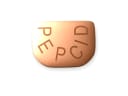

Pepcid (Gastrointestinal Medications) and Coumadin (Cardiovascular Medications) belong to different therapeutic classes and are rarely interchangeable. This page compares the medications' purposes, mechanisms and the situations where each is used.
| Property | Pepcid | Coumadin |
|---|---|---|
| Active ingredient | Famotidine | Warfarin |
| Manufacturer | Johnson & Johnson | Bristol-Myers Squibb |
| Class | Gastrointestinal Medications | Cardiovascular Medications |
| Strengths | 10mg, 20mg, 40mg | 1mg, 2mg, 2.5mg, 3mg, 4mg, 5mg, 6mg, 7.5mg, 10mg |
| Forms | tablet, orally disintegrating tablet, oral suspension | tablet |
What's the same
Pepcid and Coumadin are used in very different patients, and the points in common are limited. The main shared element is that both meet regulatory standards for efficacy and safety and benefit from pharmacist oversight.
Key differences
Pepcid belongs to Gastrointestinal Medications while Coumadin belongs to Cardiovascular Medications. Indications, mechanisms and target populations differ. The comparison is most useful when a clinician has mentioned both medications and the patient wants to understand where each fits.
Mechanism and action
Pepcid: Famotidine reversibly and competitively blocks histamine H2 receptors on gastric parietal cells, reducing both basal and stimulated gastric acid secretion. Coumadin: Warfarin inhibits vitamin K epoxide reductase complex 1 (VKORC1), the enzyme responsible for regenerating reduced vitamin K, a cofactor for the gamma-carboxylation of clotting factors.
When Pepcid is preferred
Pepcid is approved in adults and children for short-term treatment of active duodenal and gastric ulcer, maintenance therapy of duodenal ulcer, gastro-oesophageal reflux disease, Zollinger-Ellison syndrome and other hypersecretory conditions.
When Coumadin is preferred
Coumadin is approved in adults for the prevention and treatment of venous thromboembolism, including deep vein thrombosis and pulmonary embolism, for the prevention of thromboembolic events in atrial fibrillation, for selected mechanical heart valves and after some cardiac proced…
Frequently asked questions
Is Pepcid or Coumadin better? ▾
Pepcid and Coumadin are not interchangeable — they treat different conditions. Asking which is "better" is meaningful only when a clinician has weighed both for the same specific clinical scenario.
Can I switch from Pepcid to Coumadin? ▾
Switching between Pepcid and Coumadin is rarely an appropriate decision since they belong to different classes and treat different conditions. The real question is usually whether the diagnosis calls for one medication or the other — which the prescriber resolves.
Do Pepcid and Coumadin have the same side effects? ▾
No — they belong to different classes and have distinct side-effect profiles. Each medication has its own prescribing information.
More Pepcid comparisons
The information on this website is provided for reference and educational purposes only. It does not replace consultation with a qualified healthcare professional.