Amoxil vs Doxycycline: side-by-side comparison

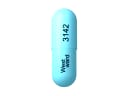
Amoxil (Amoxicillin) and Doxycycline (Doxycycline) both belong to the Antibiotics class. They share clinical context but use different active ingredients. The choice between them depends on mechanism nuances, side-effect profile and individual response.
| Property | Amoxil | Doxycycline |
|---|---|---|
| Active ingredient | Amoxicillin | Doxycycline |
| Manufacturer | GlaxoSmithKline | Various |
| Class | Antibiotics | Antibiotics |
| Strengths | 250mg, 500mg, 875mg | 50mg, 100mg, 150mg, 200mg |
| Forms | capsule, oral suspension, chewable tablet | capsule, tablet, delayed-release tablet, oral suspension |
What's the same
Amoxil and Doxycycline both belong to the Antibiotics class and are used for partially overlapping indications. The active ingredients — Amoxicillin vs Doxycycline — share the same therapeutic approach, so many safety and management points carry across both.
Key differences
Meaningful differences are in active ingredient (Amoxicillin vs Doxycycline), strengths (250mg, 500mg, 875mg vs 50mg, 100mg, 150mg, 200mg), forms (capsule, oral suspension, chewable tablet vs capsule, tablet, delayed-release tablet, oral suspension), and the mechanism, half-life and side-effect nuances that distinguish members of the class.
Mechanism and action
Amoxil: Amoxicillin inhibits bacterial cell wall synthesis by binding to penicillin-binding proteins (PBPs) and blocking the cross-linking of peptidoglycan strands. Doxycycline: Doxycycline binds reversibly to the 30S ribosomal subunit of bacteria, preventing the binding of aminoacyl-tRNA and inhibiting protein synthesis.
When Amoxil is preferred
Amoxil is approved in adults and children for the treatment of respiratory tract infections including community-acquired pneumonia, acute otitis media, sinusitis, pharyngitis caused by Streptococcus pyogenes, urinary tract infections, dental infections, skin and soft tissue infec…
When Doxycycline is preferred
Doxycycline is approved in adults and children over 8 years for the treatment of respiratory tract infections, sexually transmitted infections including Chlamydia trachomatis urethritis and pelvic inflammatory disease, acne, rosacea, periodontitis, Lyme disease, anaplasmosis, Roc…
Frequently asked questions
Is Amoxil or Doxycycline better? ▾
There is no single answer. Amoxil and Doxycycline both belong to the Antibiotics class but differ in mechanism nuances, half-life and side-effect profile. Preference depends on the patient, the prescriber and prior response to other therapies.
Can I switch from Amoxil to Doxycycline? ▾
Switching within the Antibiotics class is done under supervision, typically using equivalent doses and a follow-up period to confirm response and tolerance. It is not a self-directed decision.
Do Amoxil and Doxycycline have the same side effects? ▾
They share many of the Antibiotics class side effects, with differences from mechanism and dose. Each medication's prescribing information lists specifics.
More Amoxil comparisons
The information on this website is provided for reference and educational purposes only. It does not replace consultation with a qualified healthcare professional.