Doxycycline vs Coumadin: side-by-side comparison
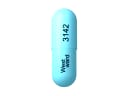

Doxycycline (Antibiotiques) and Coumadin (Médicaments cardiovasculaires) belong to different therapeutic classes and are rarely interchangeable. This page compares the medications' purposes, mechanisms and the situations where each is used.
| Property | Doxycycline | Coumadin |
|---|---|---|
| Active ingredient | Doxycycline | Warfarin |
| Manufacturer | Various | Bristol-Myers Squibb |
| Class | Antibiotiques | Médicaments cardiovasculaires |
| Strengths | 50mg, 100mg, 150mg, 200mg | 1mg, 2mg, 2.5mg, 3mg, 4mg, 5mg, 6mg, 7.5mg, 10mg |
| Forms | capsule, tablet, delayed-release tablet, oral suspension | tablet |
What's the same
Doxycycline and Coumadin are used in very different patients, and the points in common are limited. The main shared element is that both meet regulatory standards for efficacy and safety and benefit from pharmacist oversight.
Key differences
Doxycycline belongs to Antibiotiques while Coumadin belongs to Médicaments cardiovasculaires. Indications, mechanisms and target populations differ. The comparison is most useful when a clinician has mentioned both medications and the patient wants to understand where each fits.
Mechanism and action
Doxycycline: La doxycycline se lie de façon réversible à la sous-unité ribosomique 30S des bactéries, empêchant la fixation de l'aminoacyl-ARNt et inhibant la synthèse protéique. Coumadin: La warfarine inhibe la vitamine K époxyde réductase (VKORC1), enzyme chargée de régénérer la vitamine K réduite, cofacteur de la gamma-carboxylation des facteurs de coagulation.
When Doxycycline is preferred
La doxycycline est autorisée chez l'adulte et l'enfant de plus de 8 ans dans le traitement des infections des voies respiratoires, des infections sexuellement transmissibles dont les urétrites à Chlamydia trachomatis et les infections génitales hautes, de l'acné, de la rosacée, d…
When Coumadin is preferred
Coumadin est autorisé chez l'adulte dans la prévention et le traitement de la maladie thromboembolique veineuse, y compris la thrombose veineuse profonde et l'embolie pulmonaire, dans la prévention des événements thromboemboliques de la fibrillation atriale, pour certaines valves…
Questions fréquentes
Is Doxycycline or Coumadin better? ▾
Doxycycline and Coumadin are not interchangeable — they treat different conditions. Asking which is "better" is meaningful only when a clinician has weighed both for the same specific clinical scenario.
Can I switch from Doxycycline to Coumadin? ▾
Switching between Doxycycline and Coumadin is rarely an appropriate decision since they belong to different classes and treat different conditions. The real question is usually whether the diagnosis calls for one medication or the other — which the prescriber resolves.
Do Doxycycline and Coumadin have the same side effects? ▾
No — they belong to different classes and have distinct side-effect profiles. Each medication has its own prescribing information.
More Doxycycline comparisons
Les informations publiées sur ce site sont fournies à titre documentaire et pédagogique. Elles ne remplacent pas l'avis d'un professionnel de santé qualifié.