Zyrtec (Cetirizine) Allergy Tablets
Zyrtec is an over-the-counter or prescription oral antihistamine containing cetirizine. It is used in adults and children for allergic rhinitis, allergic conjunctivitis and chronic urticaria, with limited sedation compared with first-generation agents.
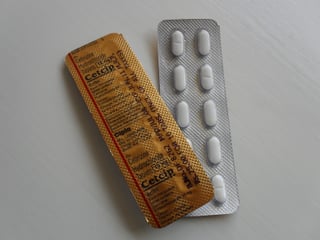
- Active ingredients
- Cetirizine
- Manufacturer
- Johnson & Johnson
- Dosage forms
- tablet , oral solution , orodispersible tablet
- Category
- Allergy and Antihistamines
What is it?
Zyrtec is one of the most widely sold brands of cetirizine, marketed by Johnson & Johnson and originally developed by UCB. It was approved by the United States Food and Drug Administration in 1995 and is supplied as oral tablets, orally disintegrating tablets and oral solution. Depending on the country, Zyrtec is sold over the counter or only with prescription. Multiple authorised generics of cetirizine are available worldwide.
Active ingredients
Each tablet contains cetirizine hydrochloride as the sole active ingredient at 5mg or 10mg. Cetirizine is the active metabolite of hydroxyzine and is a second-generation H1 antihistamine.
Forms and dosages
Zyrtec is administered orally once daily with or without food. According to the prescribing information, the usual adult dose is 10mg once daily, reduced to 5mg in patients with moderate to severe renal impairment and in elderly patients with reduced renal function. Paediatric dosing is age and weight-based; oral solution and orodispersible formulations facilitate accurate paediatric administration. Tablets are swallowed whole with water.
Indications
Zyrtec is approved in adults and children for the treatment of seasonal and perennial allergic rhinitis, allergic conjunctivitis and chronic idiopathic urticaria. According to international guidelines, it is one of the recommended second-generation antihistamines for first-line treatment of these conditions. Zyrtec is not the first-line treatment for severe asthma or anaphylaxis.
How it works
Cetirizine selectively blocks peripheral H1 histamine receptors, antagonising the effects of histamine released by mast cells during allergic responses. The result is reduced vasodilation, decreased capillary permeability, suppression of pruritus and limitation of urticarial responses. Limited central nervous system penetration explains its lower incidence of sedation compared with classical antihistamines, although mild somnolence can still occur.
Frequently asked questions
How quickly does Zyrtec work? ▾
Zyrtec typically begins to take effect within one hour after oral administration, with peak antihistamine activity by two hours. According to the prescribing information, regular daily use is recommended in chronic allergic rhinitis or urticaria for sustained symptom control, while occasional use can be effective for episodic exposure to allergens such as pollen peaks.
Does Zyrtec cause drowsiness? ▾
Cetirizine has a more favourable sedation profile than first-generation antihistamines such as diphenhydramine, but mild somnolence is still reported in some patients, particularly at higher doses or when combined with alcohol. According to the prescribing information, patients should be cautious about driving or operating machinery until they know how the medication affects them.
Can Zyrtec be taken every day? ▾
Yes. Zyrtec is approved for daily use in chronic allergic rhinitis and chronic urticaria. According to the prescribing information, daily dosing is well tolerated for prolonged periods. Periodic reassessment with the prescriber is still recommended, particularly when symptoms change or other treatments are added. Sudden discontinuation after very long-term use has rarely been associated with severe rebound pruritus.
Can children take Zyrtec? ▾
Yes, in age- and weight-based dosing. Zyrtec is approved in children from age six months in some markets, with a graduated dose schedule defined in the prescribing information. Liquid formulations facilitate accurate dosing. According to clinical guidelines, paediatric prescribing should be discussed with a paediatrician or pharmacist, particularly in chronic conditions or in young children with renal impairment.
What are the main contraindications for Zyrtec? ▾
Zyrtec is contraindicated in known hypersensitivity to cetirizine, hydroxyzine or piperazine derivatives, and in severe renal impairment with creatinine clearance below the threshold defined in the prescribing information. Caution is required in the elderly, in epilepsy and during pregnancy and breastfeeding. According to the prescribing information, the medical history must be reviewed by a clinician before any prescription.
Related medications


Sources
This page is compiled from the official prescribing information for Cetirizine. The links below open a search for that active ingredient in each register, so you always reach the current version of the label rather than a cached copy.
The information on this website is provided for reference and educational purposes only. It does not replace consultation with a qualified healthcare professional.