Lumigan in South Korea: prescription, pharmacy and pricing
Lumigan (Bimatoprost) is available in South Korea under the regulatory framework of MFDS (Ministry of Food and Drug Safety). This page summarises how the medication is prescribed and dispensed locally, what insurance or the public system cover, and which options exist for legally and safely accessing Lumigan 0.01%, 0.03%.
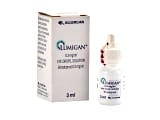
- Regulator
- MFDS (Ministry of Food and Drug Safety)
- Currency
- KRW
- Active ingredients
- Bimatoprost
- Available dosages
- 0.01%, 0.03%
Prescription status in South Korea
In South Korea, prescription medicines (전문의약품) are dispensed only against a doctor's prescription, while general medicines (일반의약품) are sold OTC at pharmacies. The 2000 medical reform separated dispensing from prescribing — doctors prescribe, pharmacists dispense. Lumigan contains the active ingredient Bimatoprost, in the Eye Care and Ophthalmic Treatments class, and its classification in South Korea follows the standard rules of MFDS (Ministry of Food and Drug Safety).
Pharmacy dispensing
Korean pharmacies (약국) are licensed by the MFDS and present in every neighbourhood, often clustered near clinics. Pharmacists verify each prescription and provide medication counselling at dispensing, with the National Health Insurance Service covering most prescription costs. The pharmacist is the most reliable local source of information on stock, authorised substitutions (generic vs brand) and specific precautions for Lumigan at the available strengths (0.01%, 0.03%).
Online and tele-prescribing access
Online prescription dispensing is heavily restricted in South Korea — telemedicine and remote prescribing were expanded only temporarily during COVID-19 and remain limited. Direct online sale of prescription medication is not permitted; consumers can browse OTC products on chain-pharmacy websites. Buying Lumigan from unauthorised sellers or without local verification exposes the user to counterfeit medication and unmonitored use of Bimatoprost.
When Lumigan is prescribed
Lumigan is approved in adults for the reduction of elevated intraocular pressure in patients with chronic open-angle glaucoma or ocular hypertension.
Pricing and availability in KRW
Retail pricing in South Korea depends on the strength (0.01%, 0.03%), whether the original brand or an authorised generic is dispensed, and insurance or public-system coverage. The difference between brand and generic is usually the most meaningful economic lever for ongoing use. Comparing prices at two or more locally authorised pharmacies before first refill is recommended.
Frequently asked questions
Do I need a prescription for Lumigan in South Korea? ▾
In South Korea, prescription medicines (전문의약품) are dispensed only against a doctor's prescription, while general medicines (일반의약품) are sold OTC at pharmacies. The 2000 medical reform separated dispensing from prescribing — doctors prescribe, pharmacists dispense. In practice, Lumigan follows the status of its active ingredient Bimatoprost in the regulatory system of MFDS (Ministry of Food and Drug Safety).
Is generic Lumigan available in South Korea? ▾
Authorised generics of Bimatoprost are typically available in South Korea at a lower cost than branded Lumigan, with bioequivalence required by MFDS (Ministry of Food and Drug Safety). Substitution is handled by the pharmacist under local equivalence rules.
How much does Lumigan cost in KRW? ▾
Prices in KRW vary by pharmacy and by strength (0.01%, 0.03%). Authorised generics of Bimatoprost are usually substantially cheaper than the brand and are the typical economic reference point for ongoing use in South Korea.
Lumigan in other countries
- the United StatesFDA (Food and Drug Administration)
- the United KingdomMHRA (Medicines and Healthcare products Regulatory Agency)
- SpainAEMPS (Agencia Española de Medicamentos y Productos Sanitarios)
- MexicoCOFEPRIS (Comisión Federal para la Protección contra Riesgos Sanitarios)
- ArgentinaANMAT (Administración Nacional de Medicamentos, Alimentos y Tecnología Médica)
- GermanyBfArM (Bundesinstitut für Arzneimittel und Medizinprodukte)
- FranceANSM (Agence nationale de sécurité du médicament et des produits de santé)
- ItalyAIFA (Agenzia Italiana del Farmaco)
- BrazilANVISA (Agência Nacional de Vigilância Sanitária)
- CanadaHealth Canada
- JapanPMDA (Pharmaceuticals and Medical Devices Agency)
- AustriaBASG (Federal Office for Safety in Health Care)
- SwitzerlandSwissmedic (Swiss Agency for Therapeutic Products)
- AustraliaTGA (Therapeutic Goods Administration)
- ColombiaInvima (National Food and Drug Surveillance Institute)
- ChileISP (Instituto de Salud Pública de Chile, Public Health Institute)
The information on this website is provided for reference and educational purposes only. It does not replace consultation with a qualified healthcare professional.