Prilosec vs Pepcid: side-by-side comparison
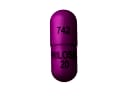
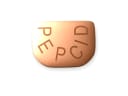
Prilosec (Omeprazole) and Pepcid (Famotidine) both belong to the Gastrointestinale Medikamente class. They share clinical context but use different active ingredients. The choice between them depends on mechanism nuances, side-effect profile and individual response.
| Property | Prilosec | Pepcid |
|---|---|---|
| Active ingredient | Omeprazole | Famotidine |
| Manufacturer | AstraZeneca / P&G | Johnson & Johnson |
| Class | Gastrointestinale Medikamente | Gastrointestinale Medikamente |
| Strengths | 10mg, 20mg, 40mg | 10mg, 20mg, 40mg |
| Forms | delayed-release capsule, delayed-release tablet, oral suspension | tablet, orally disintegrating tablet, oral suspension |
What's the same
Prilosec and Pepcid both belong to the Gastrointestinale Medikamente class and are used for partially overlapping indications. The active ingredients — Omeprazole vs Famotidine — share the same therapeutic approach, so many safety and management points carry across both.
Key differences
Meaningful differences are in active ingredient (Omeprazole vs Famotidine), strengths (10mg, 20mg, 40mg vs 10mg, 20mg, 40mg), forms (delayed-release capsule, delayed-release tablet, oral suspension vs tablet, orally disintegrating tablet, oral suspension), and the mechanism, half-life and side-effect nuances that distinguish members of the class.
Mechanism and action
Prilosec: Omeprazol ist ein substituiertes Benzimidazol-Prodrug, das im sauren Milieu der Belegzelle des Magens aktiviert wird, wo es das H+/K+-ATPase-Enzym — die für den letzten Schritt der Magensäuresekretion verantwortliche Pro… Pepcid: Famotidin blockiert reversibel und kompetitiv die Histamin-H2-Rezeptoren an den Belegzellen des Magens und vermindert sowohl die basale als auch die stimulierte Magensäuresekretion.
When Prilosec is preferred
Prilosec ist bei Erwachsenen und Kindern zur Behandlung der gastroösophagealen Refluxkrankheit zugelassen, einschließlich der Heilung der erosiven Ösophagitis, der peptischen Ulkuskrankheit, der Prävention von NSAR-induzierten Ulzera, des Zollinger-Ellison-Syndroms und als Bestan…
When Pepcid is preferred
Pepcid ist bei Erwachsenen und Kindern zur Kurzzeitbehandlung des aktiven Duodenal- und Magenulkus, zur Erhaltungstherapie des Duodenalulkus, der gastroösophagealen Refluxkrankheit, des Zollinger-Ellison-Syndroms und anderer hypersekretorischer Zustände zugelassen.
Häufig gestellte Fragen
Is Prilosec or Pepcid better? ▾
There is no single answer. Prilosec and Pepcid both belong to the Gastrointestinale Medikamente class but differ in mechanism nuances, half-life and side-effect profile. Preference depends on the patient, the prescriber and prior response to other therapies.
Can I switch from Prilosec to Pepcid? ▾
Switching within the Gastrointestinale Medikamente class is done under supervision, typically using equivalent doses and a follow-up period to confirm response and tolerance. It is not a self-directed decision.
Do Prilosec and Pepcid have the same side effects? ▾
They share many of the Gastrointestinale Medikamente class side effects, with differences from mechanism and dose. Each medication's prescribing information lists specifics.
More Prilosec comparisons
Die Informationen auf dieser Website dienen ausschließlich zu Referenz- und Bildungszwecken. Sie ersetzen nicht die Beratung durch qualifiziertes medizinisches Fachpersonal.